Expert Tips for a Thriving Organic Garden
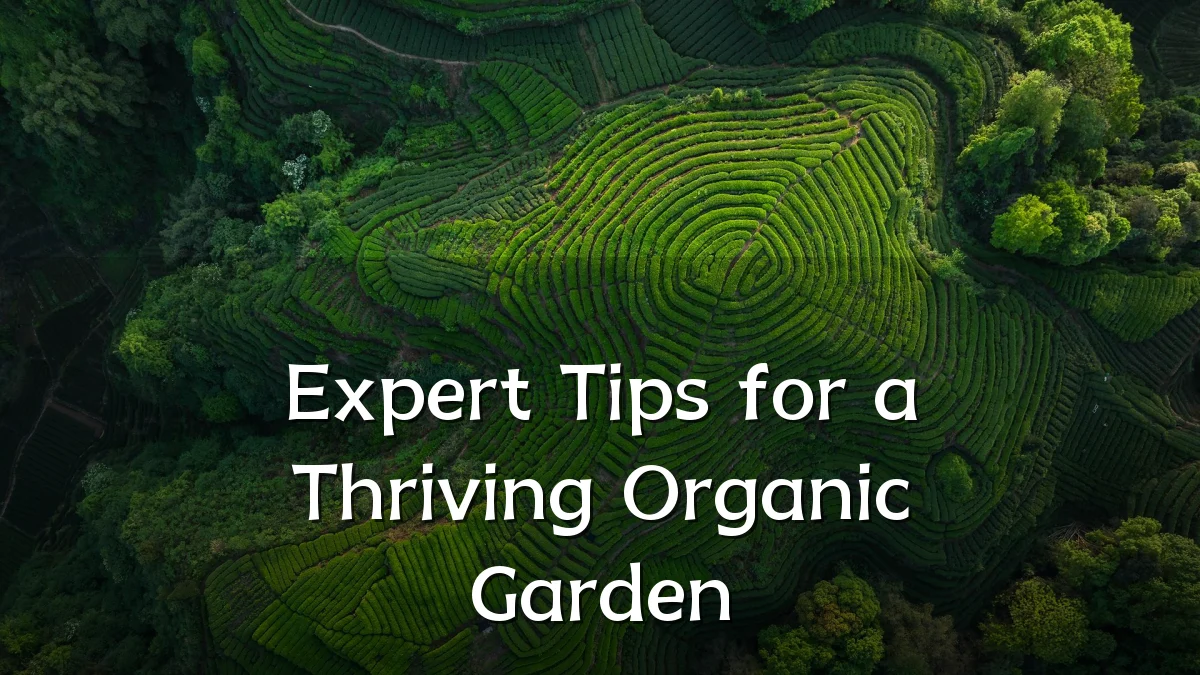
Recent seasons have seen a marked shift in home gardening as more practitioners move beyond basic organic labels toward what specialists call "expert-level" soil stewardship. This analysis examines the methods and mindsets that distinguish high-yield organic plots from conventional backyard beds.
Recent Trends in Organic Gardening
Current data from extension services and grower networks point to three dominant movements: a surge in no-dig bed adoption, increased use of cover-crop cocktails, and a growing preference for biochar-based amendments. Gardeners are also investing in on-site composting systems that process kitchen waste within 30 to 60 days, reducing reliance on bagged products.

- No-dig methods reduce soil disruption and preserve fungal networks.
- Multi-species cover crops (e.g., buckwheat, clover, daikon radish) build fertility during fallow periods.
- Biochar, when charged with compost tea, improves water retention and microbial habitat.
Background — Why Expertise Matters
Organic gardening has evolved from a cultural movement into a data-informed practice. Early adopters focused on avoiding synthetic inputs; today's expert-level approach emphasizes biological farming—feeding soil organisms rather than plants directly. This requires understanding cation exchange capacity, microbial food webs, and plant-specific nutrient cycling. The shift reflects a broader awareness that healthy soil drives pest resistance, drought tolerance, and nutritional density.

Common User Concerns
Home growers frequently encounter obstacles that separate moderate results from expert outcomes. The most cited issues involve nutrient timing, pest identification, and variety selection under variable weather.
- Nutrient availability: Soil tests often show adequate total nitrogen, but microbial activity may lock it away. Experts recommend using soluble organic sources (fish hydrolysate, alfalfa meal) during critical growth windows.
- Pest pressure without quick fixes: Relying solely on neem oil or pyrethrin can disrupt beneficial insects. Integrated strategies—trap crops, banker plants, and biological controls—offer more sustainable results.
- Water management: Drip irrigation paired with heavy mulch reduces evaporation and prevents foliar diseases, but system pressure and emitter spacing require calibration for each bed size.
- Seed and variety choices: Open-pollinated and F1 hybrid selections behave differently under organic fertility regimens; experienced growers maintain trial plots to identify best performers for their microclimate.
Likely Impact on Home Growers
Adopting expert-level practices typically yields measurable improvements within two to three growing cycles. Yield per square foot can increase by 30 to 50 percent while input costs drop as reliance on purchased amendments decreases. More importantly, gardens become more resilient—recovering faster from pest outbreaks and weather stress. The trade-off involves higher monitoring demands and a steeper learning curve in soil biology.
“A truly organic garden is not just free of synthetics; it actively regenerates the land it occupies. That takes observation, patience, and a willingness to let natural processes lead.” — paraphrased from regional agricultural extension guidance.
What to Watch Next
Several developments could influence the expert organic gardening landscape in coming seasons:
- Climate-adaptive cultivars: Breeders are releasing vegetable varieties with heat-tolerance and disease-resistance traits suited to organic soil management. Watch for trial results from public seed banks.
- On-site soil lab tools: Portable meters for pore water sampling and microbial respiration assays are becoming affordable, potentially reducing dependence on mailed soil tests.
- Policy and funding shifts: Local ordinances regarding food waste composting and rainwater capture may expand access to resources for home-scale organic production.
- Community knowledge networks: Peer-to-peer mentorship programs and digital platforms that share regional planting calendars and pest alerts are growing, lowering the barrier for new practitioners.
As organic gardening matures from a back-to-the-land ideal into a precise practice, the line between hobbyist and expert continues to blur. The key for most growers lies not in following rigid rules, but in learning to read the garden's feedback—then adjusting accordingly.