Stunning Ideas for Your Updated Landscape Project
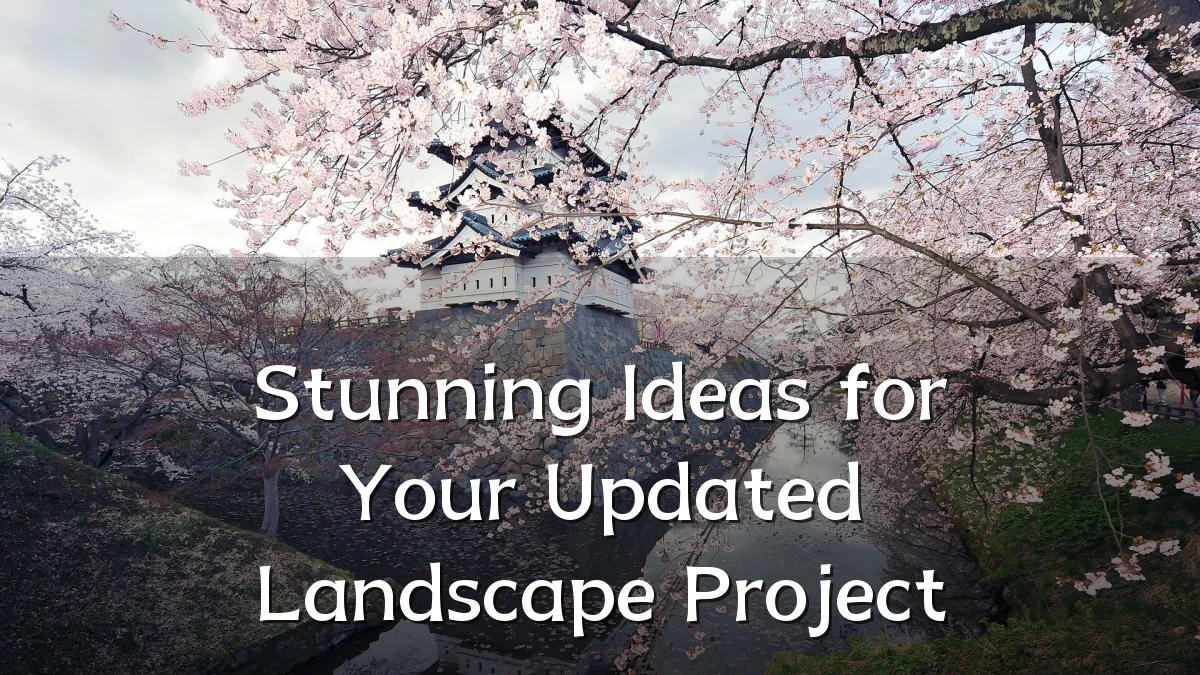
A landscape update can transform an outdoor space, but recent shifts in homeowner priorities and environmental conditions are shaping what “stunning” means today. This analysis examines current approaches, underlying factors, common concerns, expected outcomes, and developments to monitor.
Recent Trends
Contemporary landscape projects increasingly blend aesthetics with practicality. Key movements include:
- Native and drought-tolerant plantings that reduce water use and support local pollinators
- Hardscaping with permeable materials to manage stormwater and minimize runoff
- Outdoor living zones—such as kitchens, fire pits, and covered seating—that extend usable space
- Smart irrigation controllers and weather-based scheduling to optimize water consumption
- Edible landscaping, with fruit trees and vegetable beds integrated into ornamental designs
- Minimalist layouts that emphasize clean lines, gravel beds, and sculptural plants
Background
Homeowners have long renovated landscapes—but cycles have accelerated due to several factors. The rise of remote work increased time spent at home, prompting many to reimagine yards as personal retreats. Concurrently, prolonged droughts in some regions and fluctuating water costs have made low-water designs more attractive. Aging infrastructure from developments built decades ago also drives replacement of worn patios, fences, and irrigation. Property value remains a key motivator: well-planned updates can offer a strong return on investment when homes are listed.
User Concerns
Before committing to an updated landscape, homeowners typically weigh several practical issues:
- Budget range: Costs vary widely based on scope—from several thousand for a targeted planting refresh to tens of thousands for comprehensive hardscaping and drainage work.
- Maintenance commitment: Some features (e.g., lawns, ornate flower beds) require regular care, while native-plant designs reduce upkeep.
- Local regulations: Permits may be needed for patios, retaining walls, or changes to drainage patterns; homeowners’ associations can restrict plant choices or colors.
- Plant selection: Matching species to site conditions (sun, soil type, moisture) is critical for long-term success.
- Contractor reliability: Sourcing licensed and insured professionals, checking references, and clarifying warranties are common steps.
Likely Impact
The effects of a well-executed landscape update often extend beyond appearance:
- Increased property appeal: Curb appeal can improve significantly, potentially lifting resale value and reducing time on market.
- Energy savings: Strategic tree placements can shade buildings in summer, lowering cooling costs; windbreaks may cut winter heating bills.
- Water conservation: Replacing turf with drought-tolerant ground cover or xeriscaping can reduce outdoor water use by 30–50%.
- Environmental benefits: Native plants support local wildlife; permeable surfaces decrease flooding risk and recharge groundwater.
- Upfront cost and effort: High initial investment and potential disruption to daily life are typical tradeoffs.
- Ongoing care: Even low-maintenance designs require seasonal pruning, weed control, and irrigation adjustments.
What to Watch Next
Several developments could influence future landscape projects:
- Smart technology adoption: Soil moisture sensors, automated lighting, and remote irrigation controls are becoming more affordable and user-friendly.
- Water policy shifts: Municipalities may tighten outdoor water restrictions or offer rebates for turf removal and rain gardens.
- Material innovations: Recycled composites for decking, porous concrete, and UV-resistant stains are expanding design options and longevity.
- Labor market trends: Availability of skilled landscapers and hardscape installers can affect project timelines and costs.
- Climate adaptation: Growing awareness of heat islands and extreme weather may push more homeowners toward shade structures, rain barrels, and climate-resilient plant palettes.