Most Award-Winning Landscape Projects You Need to See

Recent Trends in Award-Winning Landscapes
Judging panels at major landscape architecture and design competitions have increasingly favored projects that merge ecological restoration with intensive public use. Recent award cycles show a shift toward urban resilience—projects that manage stormwater, reduce heat islands, and support biodiversity while still offering striking visual impact. Another rising theme is adaptive reuse of industrial sites transformed into cultural landscapes, often preserving historical elements like rail corridors or concrete structures and weaving them into new green spaces.
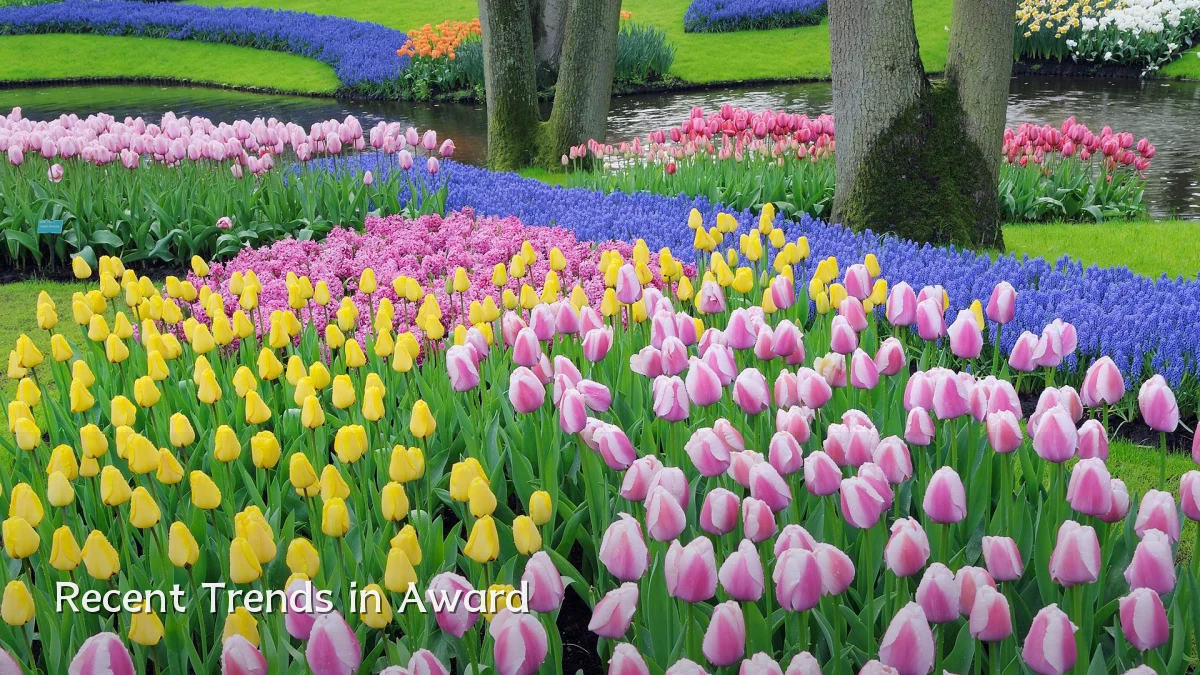
- Native and drought-tolerant plantings dominate winning entries, especially in arid regions.
- Projects that incorporate community input during design phases receive higher marks for social sustainability.
- Interactive water features and flexible event spaces appear in many recent gold‑medal designs.
Background: How Awards Shape Project Visibility
Landscape awards—conferred by professional bodies, design magazines, and environmental foundations—serve as quality benchmarks for developers, city planners, and homeowners. Winning or being shortlisted can accelerate permitting processes, attract funding, and raise property profiles. However, the criteria vary widely: some prizes emphasize innovation in sustainable materials, others prize aesthetic composition, and a growing number require measurable ecological performance over a multiyear period. This diversity means that “award‑winning” is not a single standard; a project honored for plant selection might not excel in water management.

The titles themselves—such as “Project of the Year” or “Best Public Realm”—often focus on a single attribute, so consumers should examine which specific criterion the award recognizes. Many recognized projects now publish transparent case studies, making it easier for the public to compare their goals with real outcomes.
User Concerns and Practical Considerations
For homeowners or community groups considering a landscape project, award‑winning designs can set unrealistic expectations if budgets or site constraints differ. The following points are frequently raised by those reviewing high‑profile landscapes:
- Maintenance cost: Many award‑winning gardens require specialized pruning, irrigation systems, or seasonal replanting that may not suit a typical household budget or schedule.
- Climate adaptability: A design honored in a temperate region may fail in a hotter or wetter climate without significant modification.
- Scalability: Large‑scale public projects often use heavy machinery and custom‑fabricated elements that are impractical for residential lots.
- Longevity: Some awards are given after only the first two years; plantings may not mature as shown in photographs, or materials may weather differently than expected.
When evaluating whether a celebrated project is a suitable reference, users are advised to check its age, the award’s criteria, and the site’s microclimate conditions rather than relying solely on imagery.
Likely Impact on Design and Property Value
Properties adjacent to or incorporating award‑winning landscape features often see a moderate appreciation in value—typically in the range of 5–15% according to broad market observations, though the exact figure depends on location and market conditions. For commercial developments, a recognized landscape can increase foot traffic and lease rates. On a broader scale, the publicity from awards pushes the industry toward higher environmental standards. Municipalities now compete for “green city” rankings, leading to more ambitious public projects that blend art, ecology, and recreation. This trend has also encouraged smaller firms to develop signature styles that meet award criteria, raising the baseline quality of landscape design overall.
What to Watch Next
In the coming years, expect award circuits to place more weight on long‑term performance data instead of initial photographs. Carbon‑sequencing metrics, soil health indices, and equitable access scores are likely to become standard judging dimensions. The rise of AI‑generated conceptual drawings may also blur the line between realistic proposals and idealized visions, making site visits or third‑party verification more important for trust. Look for new award categories focused on regenerative landscapes that produce food, energy, or habitat, and for cross‑disciplinary collaborations with architects and ecologists to dominate shortlists. Finally, entries from emerging economies—where budget constraints demand ingenuity—are beginning to gain recognition, offering fresh perspectives that may reshape global design awards in the next decade.