Examples of Ornamental Horticulture in Urban Gardens

Recent Trends
Urban gardeners are increasingly turning to ornamental horticulture to maximize limited space while creating visually appealing environments. One notable trend is the adoption of vertical gardens using climbing plants like clematis, ivy, and flowering jasmine. These installations soften building facades and provide seasonal color without consuming ground area.
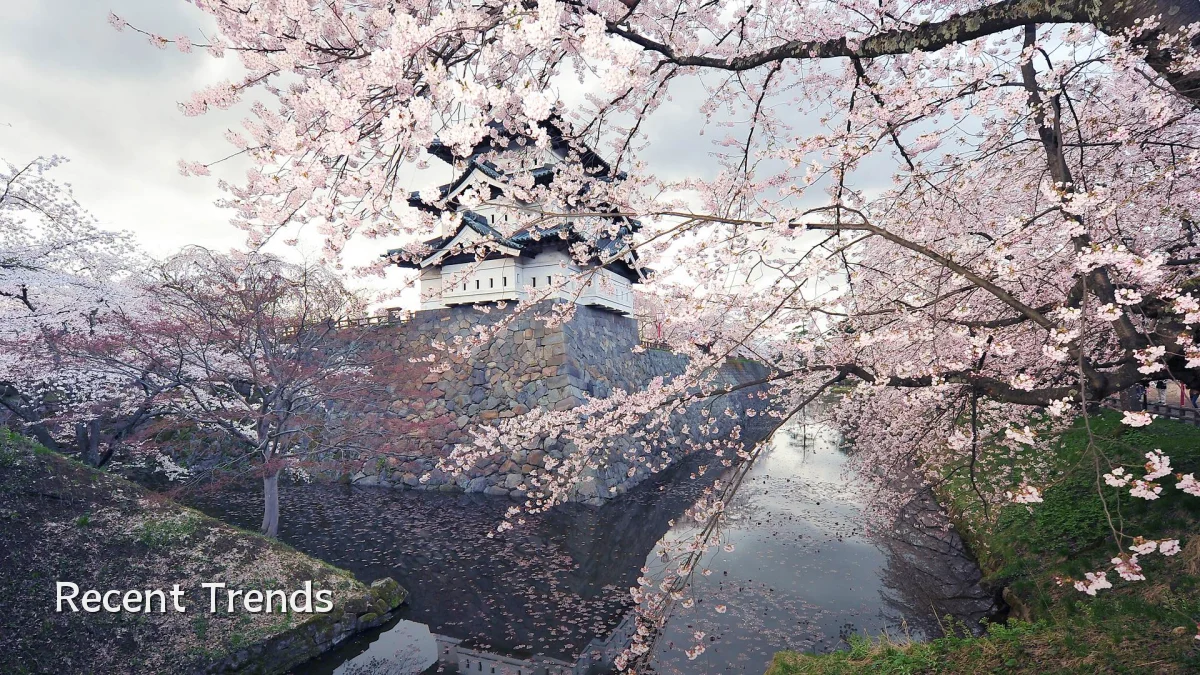
Another rising practice is the use of native ornamental grasses such as switchgrass and little bluestem. They require less irrigation than traditional lawns and offer year-round texture. Dwarf conifers and compact evergreen shrubs—like boxwood and yew—are also popular for structure and low-maintenance hedges in small plots.
- Container gardening with annuals (e.g., petunias, marigolds) for flexible color displays.
- Incorporating edible ornamentals such as flowering kale, chives, and berry-producing shrubs.
- Rain gardens planted with moisture-tolerant species like iris and sedge to manage stormwater.
Background
Ornamental horticulture refers to the cultivation of plants primarily for aesthetic appeal rather than food production. In urban settings, it includes trees, shrubs, flowers, and groundcovers arranged in gardens, parks, streetscapes, and private yards. Historically, urban ornamental gardens served as private retreats for the wealthy; today they are common in public housing, rooftops, and community lots.
The practice contributes to urban greening by providing shade, reducing heat islands, and improving air quality. It also supports pollinators when flowering species are selected thoughtfully. However, the shift toward ornamental designs has raised questions about water consumption and maintenance feasibility in dense cities.
User Concerns
Homeowners and property managers weigh several factors when choosing ornamental plants:
- Water usage: Many traditional ornamentals (e.g., hydrangeas, roses) require consistent moisture. Drip irrigation or xeriscaping with succulents and lavender can reduce demand.
- Pest and disease management: High-density plantings can attract aphids, powdery mildew, and scale. Integrated pest management (IPM) strategies are recommended.
- Maintenance labor: Pruning, deadheading, and mulching add time. Perennials and self-seeding annuals lower upkeep compared to bedding plants.
- Cost: Initial investment in soil amendments, containers, and larger specimens can be significant. Communities often seek grants or bulk-buy programs for shared spaces.
“Homeowners often underestimate the long-term care ornamental gardens require,” notes a landscape designer quoted in regional planning documents. “Matching plant choice to site conditions is critical.”
Likely Impact
Well-planned ornamental gardens can deliver measurable benefits. A review of municipal case studies shows:
- Biodiversity: Gardens with at least 30% native species attract twice as many pollinator species as those with exclusively exotic varieties.
- Mental well-being: Access to aesthetically pleasing green spaces correlates with reduced stress and increased neighborhood satisfaction, according to public health surveys.
- Property value: Curbside flower beds and mature trees can raise adjacent property values by 5–15%, depending on local real estate conditions.
- Microclimate regulation: Deciduous trees on southern walls lower summer cooling costs, while evergreen hedges buffer winter winds.
Conversely, poorly selected ornamentals—like invasive species or high-water plants—may increase maintenance burdens or strain municipal resources.
What to Watch Next
Several developments are shaping the future of ornamental horticulture in urban gardens:
- Climate-adapted plant breeding: New cultivars of traditional ornamentals (e.g., disease-resistant roses, drought-tolerant hydrangeas) are entering the market, promising lower inputs.
- Smart irrigation controllers that adjust watering based on soil moisture and weather forecasts are becoming more affordable for residential use.
- Community gardening policies: Some cities now require a percentage of green space in new developments to be ornamental, with guidelines for plant diversity and pollinator support.
- Digital design tools that let residents visualize ornamental layouts before planting are gaining traction, reducing costly mistakes.
Observers expect local ordinances to increasingly tie ornamental horticulture to broader sustainability goals, such as stormwater management and urban heat island mitigation. Homeowners who align plant choices with these standards may find rebates or technical assistance more available in the coming years.