The Beginner's Guide to Horticulture: Essential Tips for New Gardeners
Recent Trends in Home Horticulture
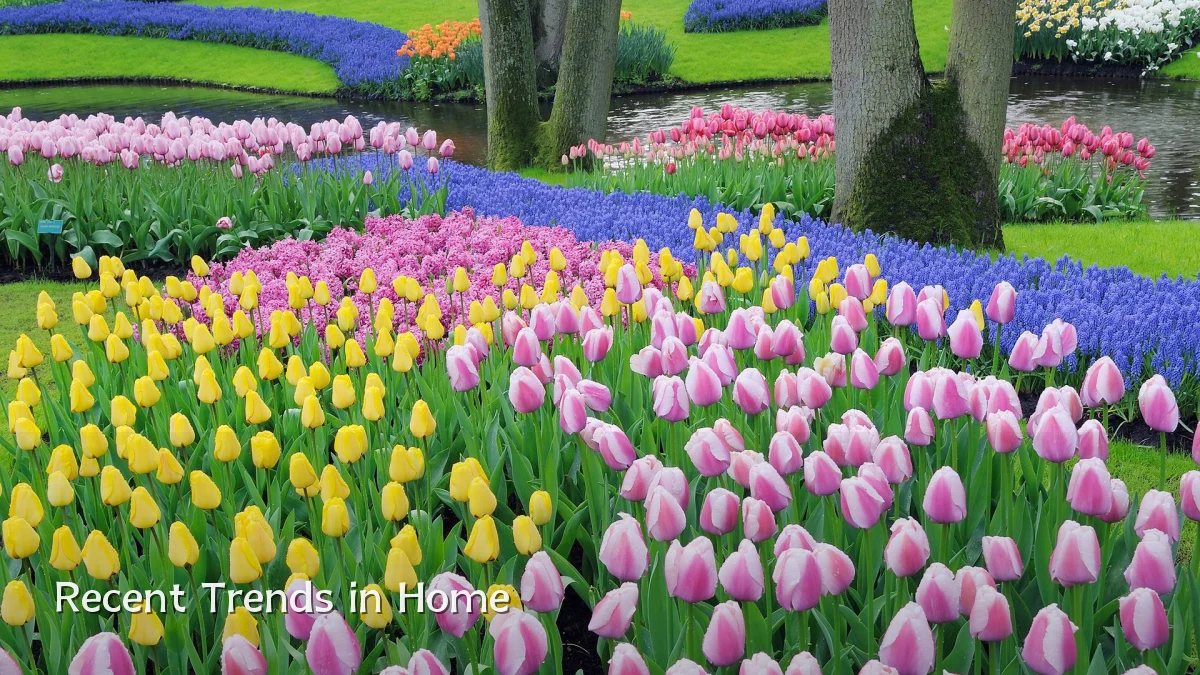
Interest in home gardening has risen sharply over the past few years, driven by a desire for food security, sustainability, and outdoor recreation. Many new gardeners are starting small—with container gardens, raised beds, or even a few pots on a balcony—rather than diving into large plots. Social media and community gardening groups have made it easier for beginners to access shared knowledge, while seed companies report a sustained increase in first-time buyers.
Background: What Horticulture Means for Beginners
Horticulture is the science and art of growing plants—flowers, vegetables, herbs, and ornamentals. For a new gardener, it begins with understanding your local climate, soil type, and the sunlight your space receives. Successful gardening does not require expensive equipment; a trowel, gloves, watering can, and quality soil are enough to start. Key concepts include plant life cycles (annual, perennial, biennial), proper spacing, and basic pest management.

Common User Concerns & How to Address Them
- Choosing the right plants: Beginners should start with hardy, low-maintenance options such as tomatoes, lettuce, marigolds, or herbs like basil and mint.
- Watering mistakes: Overwatering is a leading cause of plant failure. A general rule is to water deeply but less frequently, checking soil moisture an inch below the surface.
- Soil quality: Many home soils are either too compacted or too sandy. Adding organic compost improves structure and nutrients; a simple soil test kit can reveal pH and deficiencies.
- Pest and disease control: Start with prevention—healthy plants, proper spacing, and regular inspection. Use barriers like row covers or neem oil before resorting to synthetic chemicals.
- Time commitment: Most vegetables require at least 30–60 minutes of care per week. Container gardens and drought-tolerant species reduce maintenance.
Likely Impact for New Gardeners
Starting a small horticulture project can yield fresh produce, reduce grocery costs, and provide moderate physical activity. Even a few square meters of garden can supplement a household’s vegetable intake during the growing season. Beyond food, tending plants has been linked to lower stress levels and a stronger connection to seasonal cycles. Community gardening initiatives also foster social ties and local biodiversity.
What to Watch Next
As the current growing season progresses, beginners should monitor their plants for signs of nutrient deficiency or pest outbreaks. Next steps include learning to save seeds from successful crops, exploring companion planting, and planning a fall or winter garden (for example, cool-season greens like kale and spinach). Many local extension services and garden centers offer free workshops on composting, pruning, and seasonal planting calendars. Keeping a simple garden journal—noting what worked and what didn’t—can accelerate learning for the following year.