The Ultimate Guide to Finding Artistic Gardens Near You

Recent Trends in Artistic Garden Discovery
Interest in curated, design-focused green spaces has grown steadily over the past several years. More gardeners and landscape artists now combine sculpture, mosaic work, native planting, and interactive installations into single sites. This shift has created a demand for reliable directories that go beyond generic park listings and highlight properties with intentional artistic merit.
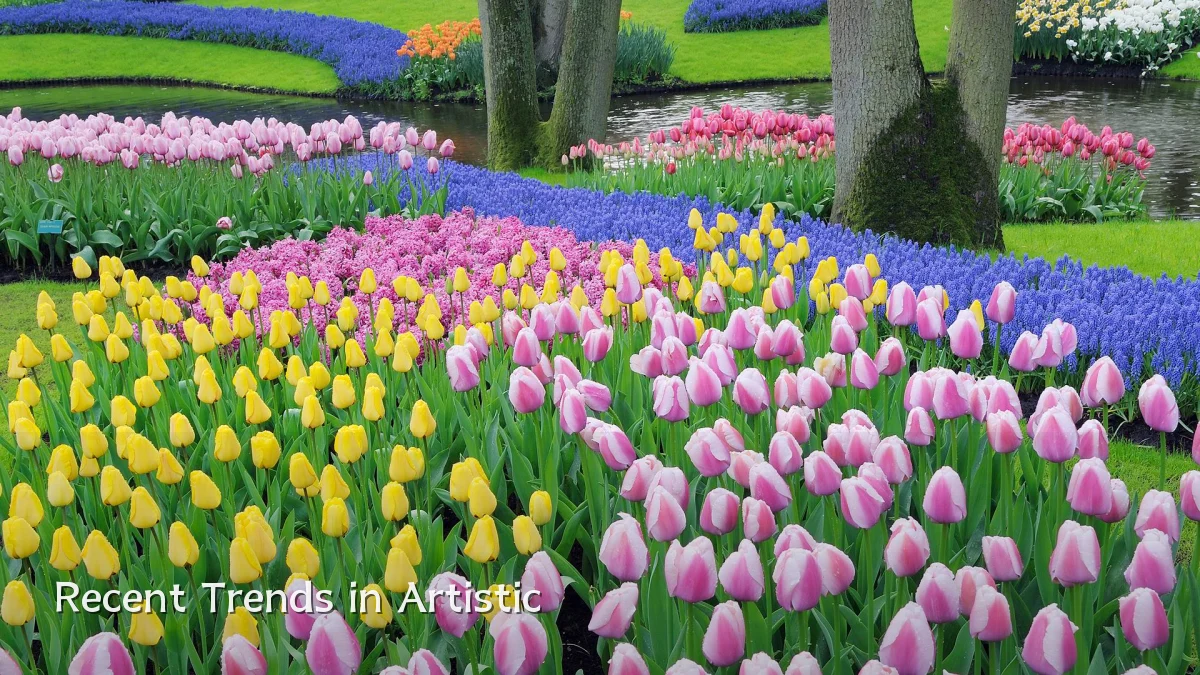
- Rise of “garden as gallery” concepts: private estates and public plots now frequently feature rotating art exhibits.
- Increased use of social media by garden owners to share seasonal changes, driving visitor curiosity.
- Growth of regional tourism boards incorporating artistic gardens into cultural itineraries.
Background: What Defines an Artistic Garden
An artistic garden is not simply a well-maintained botanical collection. It typically integrates visual art, structural design, and thematic storytelling. Common traits include:
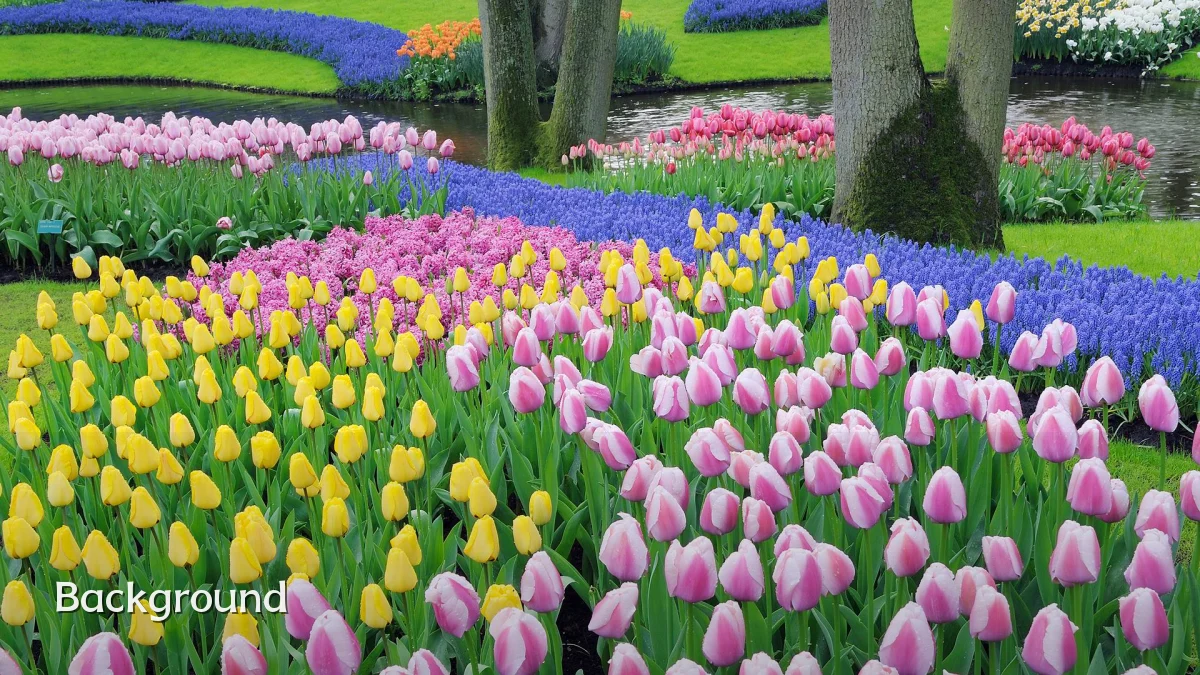
- Sculpture or installation pieces placed along paths or within natural beds.
- Color and texture composition planned by professional landscape artists or architects.
- Sensory elements such as water features, sound installations, or fragrant plant corridors.
- Seasonal programming like outdoor workshops, artist talks, or temporary exhibits.
User Concerns When Searching for Artistic Gardens
Visitors and garden enthusiasts face several practical hurdles when trying to locate these spaces. Common pain points include:
- Verification of artistic intent — many traditional gardens claim “artistic” status without offering curated installations.
- Accessibility information — wheelchair access, parking, and restrooms are rarely consistent across directory listings.
- Timing and seasonal closings — artistic gardens often have limited open hours or require advance booking.
- Entry fees — some gardens charge admission while others request donations; directory entries rarely clarify pricing tiers.
Likely Impact of a Dedicated Artistic Garden Directory
A well-curated directory — whether maintained by a nonprofit, tourism bureau, or community collective — could reshape how people discover these spaces. Potential effects include:
More consistent visitor flow to lesser-known gardens, incentivizing owners to invest in artistic features. Conversely, popular gardens may face crowding, prompting timed-entry systems.
- Cultural economy boost — smaller towns with artistic gardens may draw regional tourism and related spending.
- Quality control pressure — listed gardens may feel competitive pressure to maintain higher artistic standards.
- Improved data standards — directories could push for uniform tags (e.g., “sculpture garden,” “mosaic garden,” “living art”) across platforms.
What to Watch Next
Several developments are likely to shape how artistic gardens are catalogued and discovered in the near future:
- Integration with mapping services — watch for Google Maps or similar platforms to add an “artistic garden” category based on user submissions.
- User review systems — community ratings on artistic value, maintenance, and hospitality will become important benchmarks.
- Seasonal or event-based filters — directories may offer real-time updates about bloom periods, exhibition openings, or guided tours.
- Regional aggregations — expect local heritage or arts councils to bundle multiple gardens into self-guided tour itineraries.
Staying informed about these trends helps garden lovers and creators alike anticipate how the directory landscape will evolve.