How to Use Color Theory to Create a Living Painting in Your Garden
Recent Trends
In the past several growing seasons, the concept of the "artistic garden blog" has gained traction among home gardeners and landscape designers. Rather than treating a garden as a simple collection of plants, more enthusiasts are approaching their plots as canvases, deliberately applying principles from color theory. This shift appears in social media posts, online courses, and blog series that break down complementary, analogous, and triadic color schemes for seasonal flower beds. The trend coincides with a broader interest in mindful gardening—a practice where each plant choice is intentional, not accidental.
- Rising popularity of "color-block" planting (clusters of same hue) for visual impact.
- Increased use of digital color-palette tools to plan blooms before purchasing seeds or starts.
- Gardeners sharing "color progressions" from spring to autumn, showing how hues evolve over time.
Background
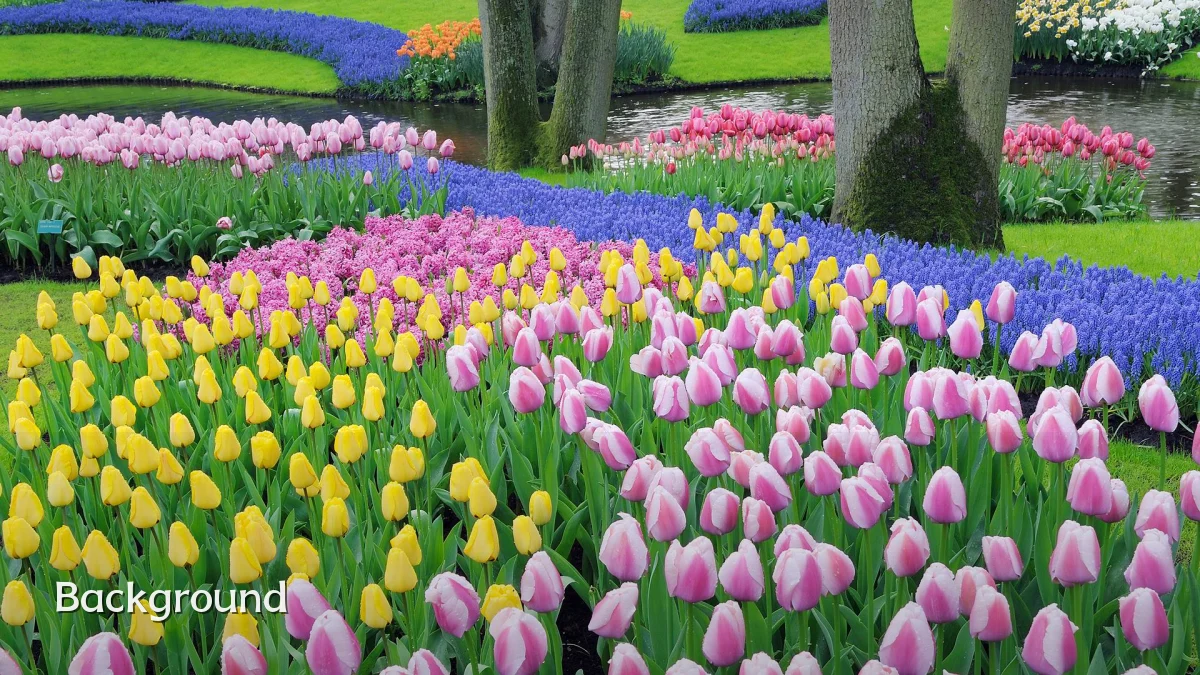
Color theory has long been a foundation of fine arts and interior design, but its formal application in gardening is less documented. Traditionally, garden planning emphasized bloom time, height, and soil compatibility over chromatic harmony. However, as garden blogs and social platforms allow visual storytelling, the demand for photographs that resemble composed paintings has grown. The fundamental concepts—like using the color wheel to find opposites (e.g., purple and yellow) or neighbors (e.g., blue and violet)—are now being translated into plant selection guides. Many artistic garden bloggers emphasize that a "living painting" is not static; it shifts with light, weather, and plant maturity.
User Concerns
While the idea appeals to many, practical challenges surface regularly in reader comments and forum discussions. Gardeners worry about failing to achieve the intended effect, especially when flowers do not bloom simultaneously or when foliage colors change unexpectedly. Others fear that focusing too much on theory can stifle spontaneity or lead to a garden that looks good in photos but lacks ecological benefits for pollinators.
- Timing mismatches: Annuals and perennials have different bloom windows, making a precise color scheme difficult to maintain all season.
- Environmental variation: Soil pH, sunlight, and climate alter flower pigmentation, so a planned palette may shift unexpectedly.
- Maintenance tension: Creating a "painting" often requires deadheading and careful pruning, which can be time-intensive.
- Pollinator impact: Some gardeners note that a single color block may reduce diversity, though many bright colors still attract bees and butterflies.
Likely Impact
The integration of color theory into garden design is likely to continue shaping how both novice and experienced gardeners plan their spaces. It encourages more deliberate plant combinations and may increase appreciation for subtle tonal variations, such as the contrast of silver foliage against deep burgundy blooms. On a larger scale, this trend could influence public garden displays and even seed catalogs, which already highlight "color collections." However, the impact on ecological gardening practices remains mixed: while color-focused gardens can still support biodiversity, the pressure to create neat, painted scenes may lead to reduced plant diversity if not balanced with native species and varied habitats.
What to Watch Next
As the artistic garden blog movement matures, look for more tools that bridge design theory and real-world gardening. Possible developments include:
- Interactive season-simulators: Apps that predict color changes over weeks and months for a given plant list.
- Collaborative palette databases: Online libraries where gardeners share successful color combinations by region and soil type.
- Hybrid plants bred for stable pigmentation: Breeders may prioritize predictable hues rather than unique forms.
- Critiques from ecologists: Likely more articles comparing color-theory gardens to wildflower meadows in terms of wildlife support.
The ongoing conversation will test whether a garden can be both a precise work of art and a resilient, living ecosystem.