From Canvas to Garden: How an Artistic Garden Course Transforms Your Outdoor Space
Recent Trends
Interest in artistic garden courses has grown steadily as homeowners look beyond traditional landscaping. Social media feeds increasingly feature garden designs that borrow principles from painting, sculpture, and color theory. Course enrollment data suggests a shift toward blending creative expression with horticulture—participants want outdoor spaces that feel curated, not just planted.

- Rise in online workshops focusing on composition, texture, and palette matching for gardens
- Growing demand for garden “portraits” that treat a yard as a living canvas
- Integration of fine-art techniques like negative space, focal points, and gradient planting
Background
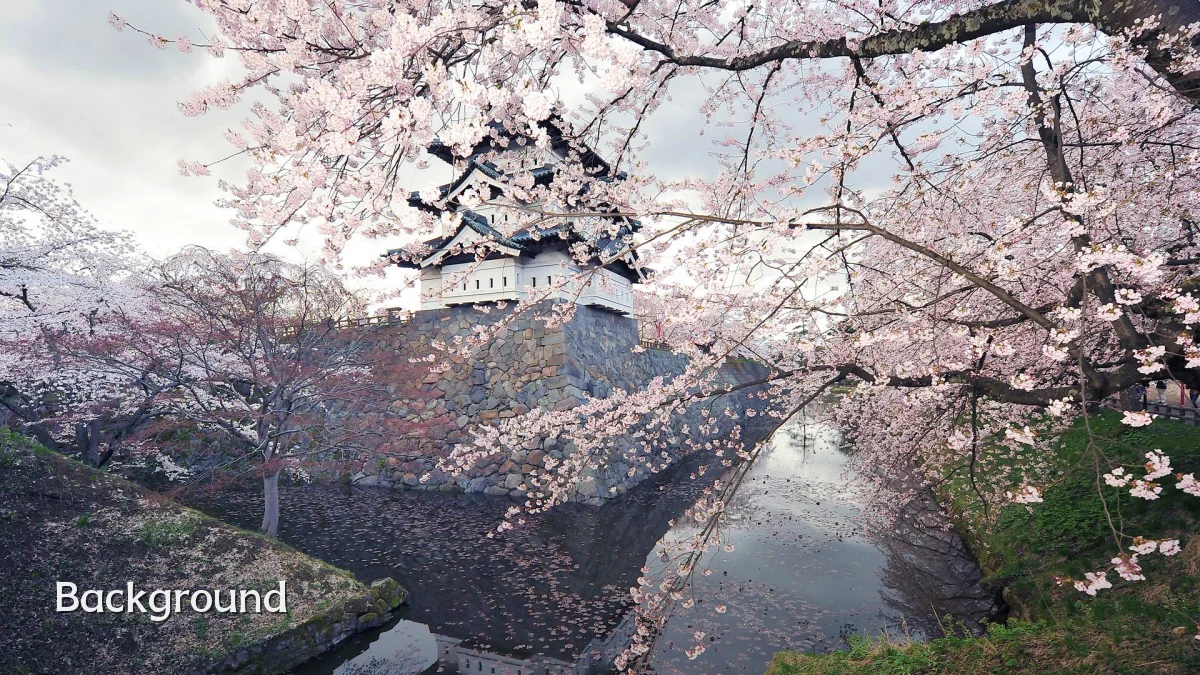
The concept of treating gardens as art is not new—English landscape painters and Japanese Zen gardens have long influenced design. What distinguishes a modern artistic garden course is its structured curriculum: participants learn to translate painterly concepts (balance, rhythm, contrast) into plant selection, hardscaping, and seasonal planning. Many courses combine studio sessions with hands-on plotting, encouraging students to sketch their vision before moving a single shovel of soil.
Typical modules cover color-wheel theory applied to bloom sequences, “brushstroke” mass planting, and using foliage as negative space. Instructors often come from fine arts or landscape architecture backgrounds, merging disciplines that historically stayed separate.
User Concerns
Potential enrollees commonly weigh several practical factors before committing to an artistic garden course:
- Time investment: Most courses span 4–8 weeks, with 2–3 hours per session plus homework to refine sketches.
- Skill level: Courses typically welcome beginners, though some require basic plant knowledge. Check prerequisites before registration.
- Budget: In-person workshops cost moderately more than online versions; materials (sketchbooks, colored pencils, plant guides) are separate.
- Garden size: Techniques scale—a balcony container garden can be a canvas just as easily as a half-acre lot. Courses often teach adaptable principles.
- Realistic outcomes: Artistic results depend on local climate, soil, and maintenance. Courses that emphasize native plants and seasonal interest help manage expectations.
Likely Impact
Completing an artistic garden course can reshape how homeowners approach their outdoor space. Key impacts observed anecdotally include:
- A deliberate shift from chaotic planting to unified visual themes
- Greater confidence in mixing textures, heights, and seasonal transitions
- Increased willingness to treat hardscaping (paths, walls, water features) as part of the composition
- More thoughtful use of empty space, rather than filling every bed
- Sustained engagement with the garden as a project that evolves with each season, not a one-time installation
For communities, these courses can spark interest in public garden art initiatives and neighborhood design workshops. On an individual level, they offer a satisfying blend of creativity and practical outdoor improvement.
What to Watch Next
The artistic garden course niche is likely to expand in several directions:
- Hybrid formats – Expect more courses combining online theory with local, in-person field trips to botanical gardens.
- Specialized themes – Courses focusing on specific movements (Impressionist gardens, Postmodern planting, biomorphic design) may emerge.
- Digital tools – Augmented reality apps that let users preview painterly layouts on their own property will complement coursework.
- Certification pathways – Some programs may offer continuing education credits for landscape professionals.
- Seasonal cycles – Multi-term courses that follow the growing year, adjusting artistic plans as the garden matures.
As the line between art and landscape continues to blur, these courses offer a structured yet creative path for anyone wanting a garden that feels like a personal masterpiece.