Designing a Living Canvas: Artistic Garden Layouts That Blend Form and Function
Recent Trends in Garden Design
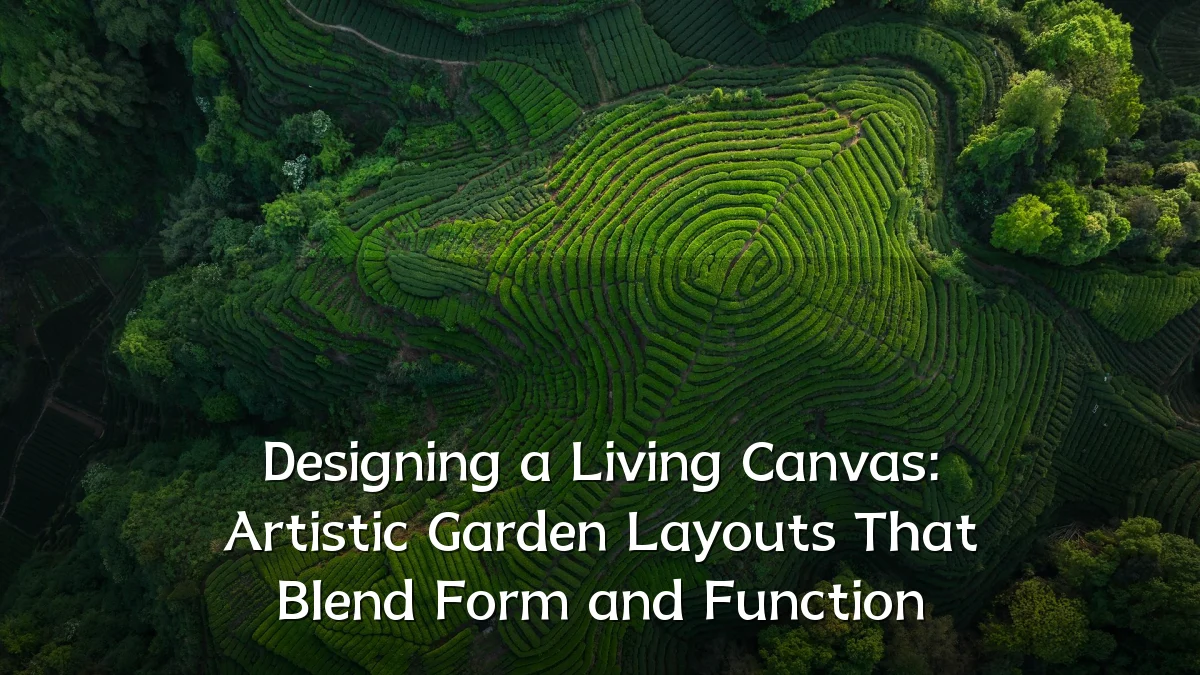
In recent seasons, a growing number of homeowners and landscape professionals have shifted away from strictly ornamental gardens toward layouts that treat the outdoor space as an evolving work of art—while still serving everyday needs. This movement emphasizes sculptural planting arrangements, layered textures, and deliberate color harmonies, all without sacrificing accessibility, food production, or ecological value.
- Increased use of native perennials and ornamental grasses to create year-round structure with lower water demands.
- Integration of hardscape elements such as corten steel edging, natural stone paths, and minimalist water features as functional art pieces.
- Rise of "edible ornamentals"—vegetables, herbs, and fruit trees selected for their aesthetic form as well as yield.
- Adoption of asymmetrical, freeform layouts that mimic natural landscapes rather than rigid geometric patterns.
Background: The Shift Toward Artistic Functionality
The concept of a garden as a living canvas is not new—historic examples range from Persian paradise gardens to Japanese Zen spaces—but the contemporary interpretation balances visual composition with daily utility. Over the past two decades, designers have moved away from purely decorative flower beds in favor of multi-layer schemes where each plant serves a purpose: screening, shading, attracting pollinators, or providing harvest. This background reflects a broader cultural desire for spaces that are both restorative and productive, merging the principles of fine art with sustainable land stewardship.
Modern artistic garden layouts often borrow from painting and sculpture: using repetition of shape, contrast in foliage, and seasonal transitions to create a dynamic composition. At the same time, these gardens must accommodate pathways for maintenance, seating areas for relaxation, and sometimes vegetable beds or compost systems. The challenge lies in arranging these functional zones without disrupting the overall visual flow.
Common Concerns for Home Gardeners
Homeowners considering an artistic approach to their garden often raise several practical questions. While the aesthetic rewards can be high, the process requires thoughtful planning to avoid common pitfalls.
- Maintenance balance: Intricate designs may demand more pruning, weeding, and seasonal adjustment. Gardeners should match the layout's complexity with their available time or budget for professional care.
- Climate adaptation: A design that looks dramatic in a magazine may fail if plants are not suited to local sunlight, soil, and rainfall conditions. Success often depends on choosing species native or adapted to the microclimate.
- Cost expectations: Custom hardscapes, statement trees, and large-scale art installations can raise upfront expenses. Many designers recommend phasing such projects over multiple seasons.
- Long-term cohesion: Artistic gardens evolve; what appears balanced at planting may need reworking as plants mature. Regular reassessment helps maintain the intended form-function blend.
Likely Impact on Garden Planning and Property Value
Embracing a design philosophy that treats the garden as a canvas can significantly alter how owners use their outdoor space. Functionally, well-planned artistic layouts often improve circulation, create distinct activity zones, and reduce weeding through dense ground covers. Ecologically, they tend to support more biodiversity than traditional lawns or monoculture beds. In terms of property value, many real estate professionals note that distinctive, well-maintained gardens can be a selling point, though overly idiosyncratic designs may limit appeal to some buyers. The most resilient approach tends to be one that balances personal expression with widely appreciated principles—orderly structure, seasonal interest, and clear sightlines.
What to Watch Next
Looking ahead, several developments are likely to shape how gardeners and designers approach artistic yet functional layouts.
- Adaptive design software: New tools allow homeowners to visualize how a garden will look across seasons before planting, reducing guesswork and risk.
- Vertical and living walls: As urban space tightens, artistic vertical gardens that double as insulation or air filters are gaining traction.
- Climate‑resilient plant palettes: Breeding programs and regional plant trials are producing more ornamental varieties that tolerate heat, drought, or heavy rain—making artistic designs more durable.
- Community‑focused layouts: A trend toward shared front‑yard gardens and neighborhood green corridors that function as both public art and ecological resources.
Ultimately, the movement toward artistic garden advice suggests that form and function need not compete. With careful selection and a willingness to adapt, a garden can serve as both a living sculpture and a deeply practical outdoor room.