How to Use Color Palettes from Famous Paintings to Design Your Garden Beds
Recent Trends
Over the past several growing seasons, home gardeners and landscape designers have increasingly turned to fine art for planting inspiration. Social media platforms now feature thousands of posts showing garden beds arranged around the color compositions of works by Monet, Van Gogh, and O'Keeffe. Seed catalogs and nurseries have responded by grouping plants according to these painterly palettes, making it easier for amateurs to replicate the look without formal design training. The trend reflects a broader cultural shift toward treating outdoor spaces as extensions of personal aesthetic expression rather than purely utilitarian landscapes.

Background
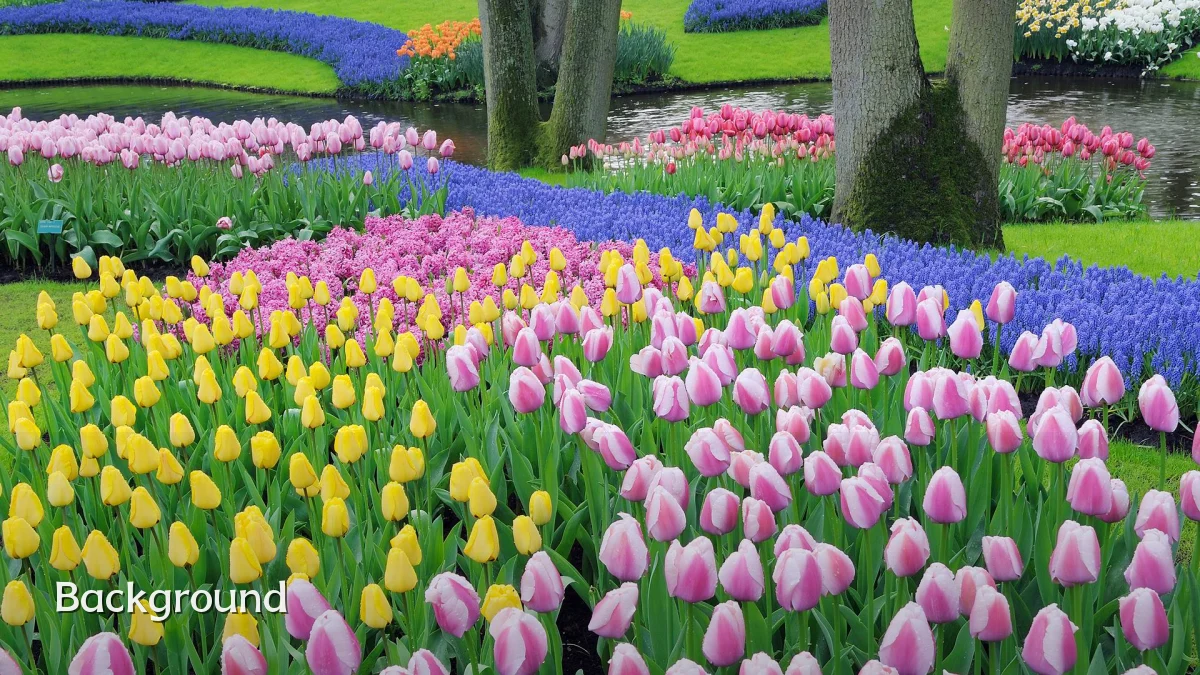
The connection between painting and garden design is not new. Formal English gardens of the 18th century were often described as living paintings, and Impressionist artists frequently worked directly from their own gardens. What has changed is the accessibility of color theory knowledge and the availability of digital tools that let gardeners extract precise palettes from any artwork. By sampling dominant, supporting, and accent colors from a painting, a gardener can create a cohesive bed that mimics the emotional and visual balance of the original composition. Common starting points include:
- Monet's water lily series — soft blues, lavenders, pale pinks, and deep greens for shaded, moisture-rich beds
- Van Gogh's sunflowers — warm yellows, ochres, burnt oranges, and touches of cobalt for full-sun, pollinator-friendly borders
- Georgia O'Keeffe's desert florals — dusty pinks, creams, silvery greens, and muted reds for drought-tolerant arrangements
- Hokusai's woodblock prints — indigo, off-white, pale peach, and deep teal for formal, limited-palette designs
User Concerns
Gardeners experimenting with this approach frequently encounter a few recurring challenges. Selecting flowers whose bloom times overlap so that the intended palette appears simultaneously can be difficult in temperate climates with short growing seasons. Additionally, foliage color and texture play a larger role in a garden than in a painted canvas, and beginners may overlook how greens and structural forms affect the overall harmony. Practical concerns include:
- Matching paint colors to available plant varieties without sacrificing local hardiness or sun requirements
- Avoiding palettes that are too monochromatic, which can feel flat once planted at a larger scale
- Managing seasonal shifts that cause blooms to appear and fade at different points, breaking the intended color story
- Balancing aesthetic goals with practical needs such as deer resistance, water usage, and maintenance effort
Likely Impact
If this trend continues, it could reshape how seed companies and nurseries market their products. Color-themed collections — already seen in a handful of specialty catalogs — may become standard offerings, grouped by artistic reference rather than by species or growing habit. Garden design software is also likely to incorporate art-based palette extraction features, lowering the barrier for novice users. On the community level, public gardens and botanical parks may stage rotating exhibitions that mimic famous paintings, attracting visitors interested in novel, cross-disciplinary experiences. The approach also encourages a slower, more thoughtful design process, which may lead to greater plant diversity as gardeners select for color rather than only for bloom size or novelty.
What to Watch Next
Over the next 12 to 24 months, several developments are worth monitoring. Look for increased collaboration between living museums — such as historic artist homes and botanical gardens — to produce curated planting plans tied to specific artworks. Observers should also watch for regional adaptations: gardeners in tropical, arid, or alpine climates may begin creating localized palettes based on artists who worked in similar environments, rather than defaulting to European Impressionist choices. Finally, as artificial intelligence image analysis becomes more accessible, expect tools that allow users to photograph a painting on their phone and receive a customized plant shopping list tailored to their growing zone and light conditions.