How to Design an Artistic Garden That Inspires Online Learners

Recent Trends in Outdoor Learning Spaces
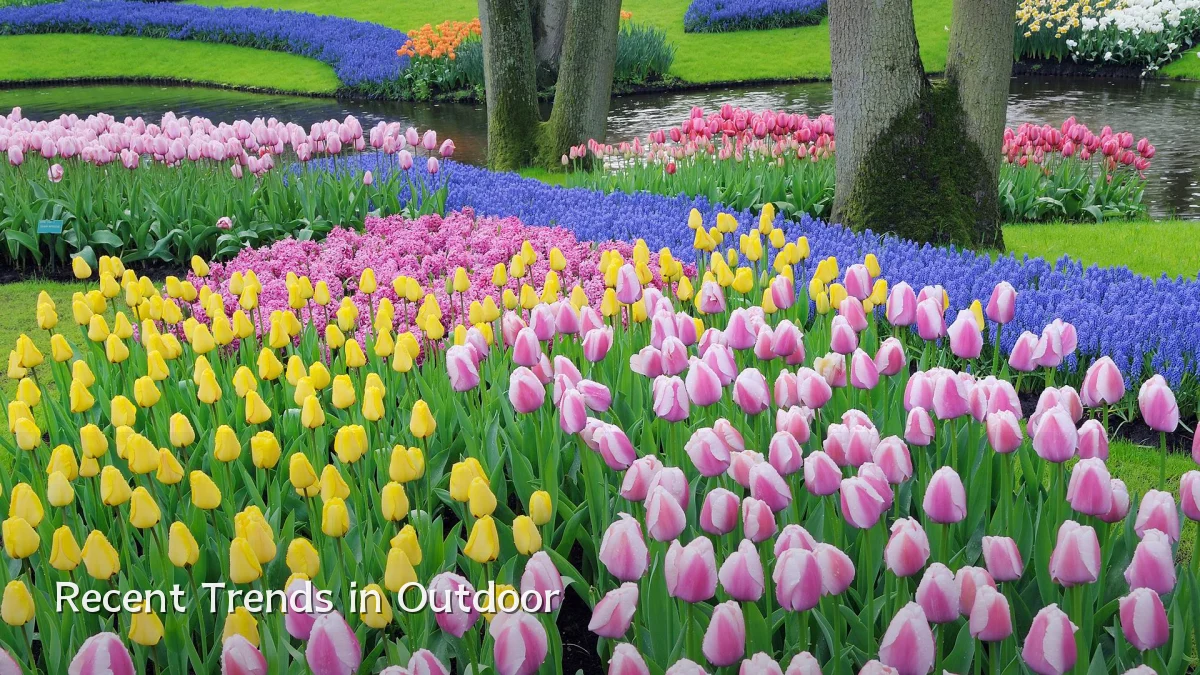
Over the past several seasons, educators and content creators have increasingly sought ways to merge physical environments with digital instruction. The rise of hybrid and fully remote learning has pushed many to reimagine outdoor spaces as active teaching tools. Gardens designed with artistic elements—sculptural plantings, color-theory beds, and sensory paths—are emerging as backdrops for online classes, recorded lectures, and creative workshops. Social-media platforms now feature numerous examples of “studio gardens” where the landscape itself becomes a visual aid or a calming presence for learners watching from home.
Background: Gardens as Learning Environments
The concept of a garden as a place of study is not new. From ancient monastic herb gardens to Japanese zen rock gardens, designed landscapes have long supported reflection and knowledge transfer. What has changed is the scale and intention for online audiences. Where traditional school gardens focused on hands-on botany, the artistic garden for online learners prioritizes visual composition, dynamic seasonal change, and the ability to frame shots for cameras. Key historical influences include:

- Persian paradise gardens, which used geometry and water features to create a sense of calm – a quality now sought for reducing screen fatigue.
- English cottage gardens, whose informal layering provides natural depth on video.
- Modernist landscapes that treat plants as sculptural elements, easily read through a lens.
User Concerns for Designing and Maintaining the Space
Online educators and course creators face practical hurdles when planning such a garden. Common questions revolve around budget, time, and compatibility with teaching workflows.
- Cost range: A small artistic garden can be started for the cost of a few specialty plants and hardscape materials, while larger installations may require professional design help. Most successful examples fall between several hundred and a few thousand dollars in initial investment.
- Maintenance demands: High-visual-impact gardens often need weekly pruning, weeding, and seasonal replanting. Low-maintenance alternatives using native perennials and evergreens can reduce workload but may offer less dramatic seasonal change.
- Camera readiness: The garden must look good from a fixed tripod spot and from multiple angles. Wind, harsh sunlight, and background clutter (garden hoses, tools) require careful positioning or the use of shades and backdrops.
- Climate and site constraints: Not every online learner’s instructor has a sunny yard. Balcony gardens, indoor conservatories, or even large terrariums can serve as artistic focal points with appropriate lighting and plant selection.
Likely Impact on Engagement and Learning Outcomes
Early feedback from educators who have adopted artistic garden settings suggests several positive effects. Learners report feeling more relaxed and focused during sessions filmed outdoors. The garden’s aesthetic variety—changing light, blooming cycles, and occasional wildlife—can hold attention better than a static indoor background. For subjects like art, literature, environmental science, or mindfulness, the garden becomes a living example of the lesson. Potential measurable impacts include:
- Higher average watch times for recorded lectures.
- Increased learner comments about the setting, indicating active engagement with the environment.
- Improved mental well-being scores in post-course surveys, attributed to natural visual stimuli.
- More spontaneous teaching moments, such as pointing out a flower opening or a visiting insect.
However, the effect is not universal. Courses requiring high screen density (e.g., advanced coding or complex math) may benefit less from a distracting garden backdrop. In those cases, quiet neutral backgrounds remain preferable.
What to Watch Next
The trend is still evolving. Observers should track three developments that could shape how artistic gardens are designed for online learning:
- Smart garden tech: Automated irrigation, remote-controlled lighting, and robotic mowers make maintenance easier for busy educators. Integration with smart home systems may allow instructors to adjust garden scenes from their teaching desk.
- Community and shared gardens: As not all online educators can build private gardens, shared community plots or institutional outdoor classrooms may become more common. These spaces could be booked and themed for specific courses.
- AI-assisted design tools: Emerging software that can simulate how a garden will look through a camera lens across seasons will help creators plan without trial and error. Such tools could also recommend plant combinations based on bloom times and color palettes that read well on screen.
Finally, the durability of this approach will depend on whether learners continue to value nature-based breaks during screen time—a factor tied to broader shifts in remote work and education culture.