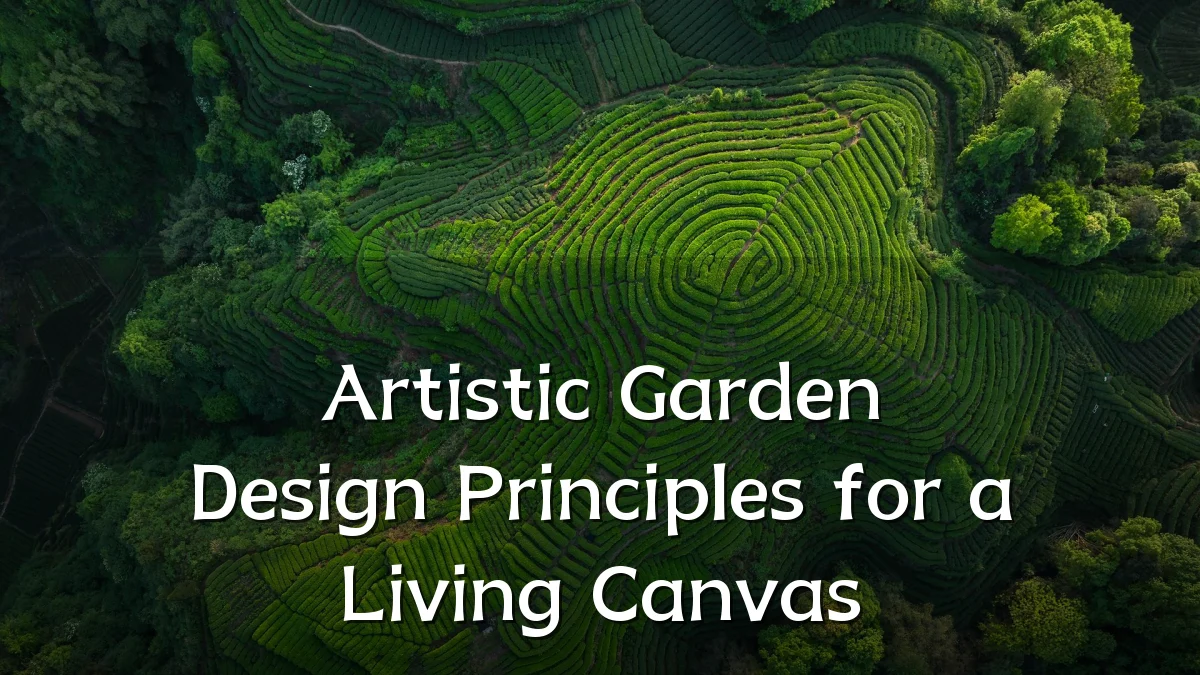
Artistic Garden Design Principles for a Living Canvas
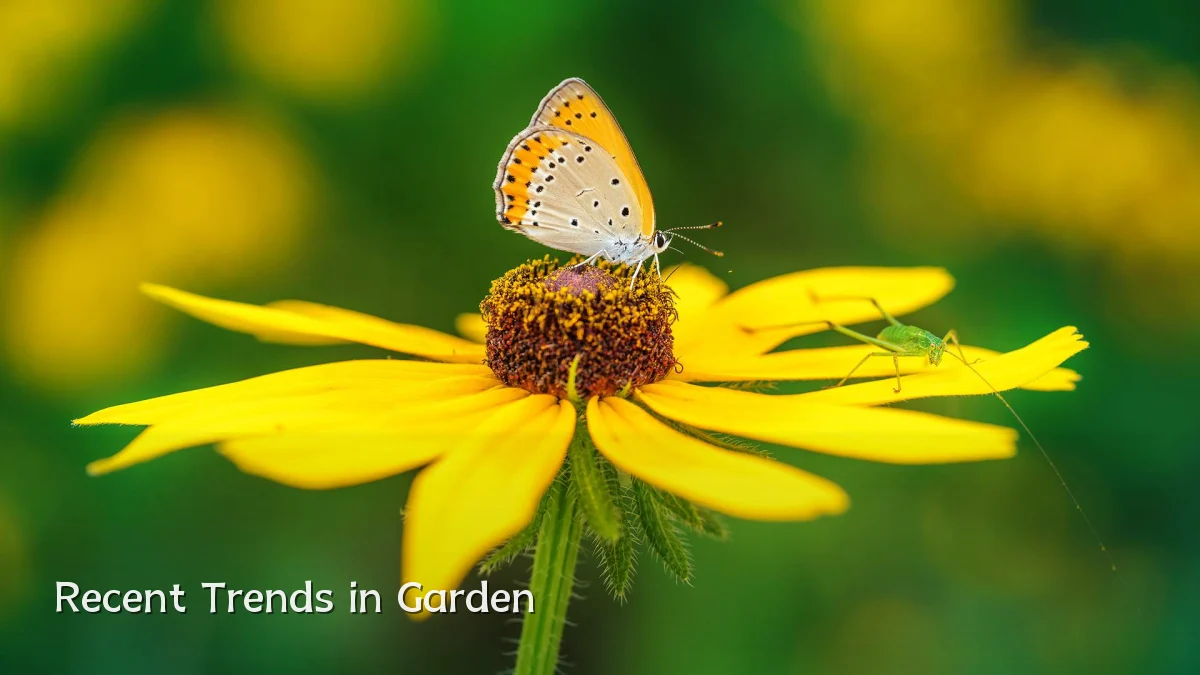
Recent Trends in Garden-as-Art
Landscape architects and home gardeners alike are moving beyond purely botanical considerations toward composition, texture, and seasonal narrative. Monoculture beds are giving way to layered planting schemes that mimic natural ecosystems while retaining deliberate human intention. The rise of “painterly” gardens—where color, form, and negative space are treated as palette and brushstroke—reflects a broader cultural shift toward viewing outdoor spaces as immersive, evolving installations.
- Increased use of structural evergreens as permanent “frames” around ephemeral bloom sequences.
- Integration of hardscape elements (sculptural stone, patinaed metal, water features) as focal punctuation.
- Emphasis on winter silhouette and bark texture, extending the artistic season beyond peak flowering.
Background: From Ornament to Expression
The concept of a garden as a living canvas is not new—it echoes the picturesque movement of the 18th century and the Arts and Crafts ideal of unity between house and garden. However, contemporary practice has democratized these principles. Where once only estate owners could commission sweeping vistas, today’s artistic garden guide often focuses on small urban plots, balconies, or even container arrangements. The core shift: artistic intent now takes precedence over horticultural rarity.

Key influences include the New Perennial movement (Piet Oudolf’s work) and Japanese wabi-sabi aesthetics, both of which celebrate imperfection, decay, and the passage of time as integral to the composition. These approaches accept that a garden changes hourly, daily, and seasonally—and that this flux is the medium itself.
User Concerns: Balancing Vision with Viability
Gardeners attempting to apply artistic design principles often face practical friction. Common questions center on how to maintain a curated look without constant intervention, how to choose plants that fit both aesthetic intent and local climate, and how to avoid a chaotic “messy” appearance while still achieving naturalistic texture.
- Maintenance tolerance: Many artistic gardens require moderate to high seasonal editing—leaving dead flower heads for winter structure may clash with neighborhood expectations.
- Plant selection: Designers advise starting with a “skeleton” of 30–40% evergreen or structural plants, then filling with self-seeding annuals and perennials that harmonize in hue or form.
- Scale and sightlines: Small spaces benefit from a single dramatic accent or a repeating motif (e.g., clipped box spheres echoed in rounded stones).
Likely Impact on Garden Culture
The embrace of artistic principles may reshape how homeowners value their gardens—shifting from “curb appeal” metrics toward personal expression and emotional resonance. Nurseries and garden centers are likely to respond by grouping plants not just by light and water needs but by color palettes, textures, and growth habits that support compositional goals. Landscape design services may offer “concept kits” with a curated mix of anchor plants, fillers, and hardscaping paired with a seasonal timeline.
On a community level, artistic gardens can foster neighborhood walking tours and local workshops, especially in districts with similar lot sizes or climate constraints. The impact is less about perfection and more about engaging with the garden as a collaborative project with nature.
What to Watch Next
Observers should monitor three developments: First, the adaptation of digital design tools—augmented reality apps that let users preview color schemes and plant placement before digging. Second, the rise of “slow gardening” retreats that teach patience and observation as core design practices. Third, the potential for municipal codes to evolve, allowing for more sculptural, non-traditional front-yard treatments (e.g., meadow-like plantings instead of turf).
As the artistic garden guide gains traction, the line between gardener and artist will continue to blur. The living canvas demands a surrender of control—and that tension is precisely what makes it compelling to watch.