Designing a Living Canvas: Artistic Garden Tips for Creative Enthusiasts
Recent Trends
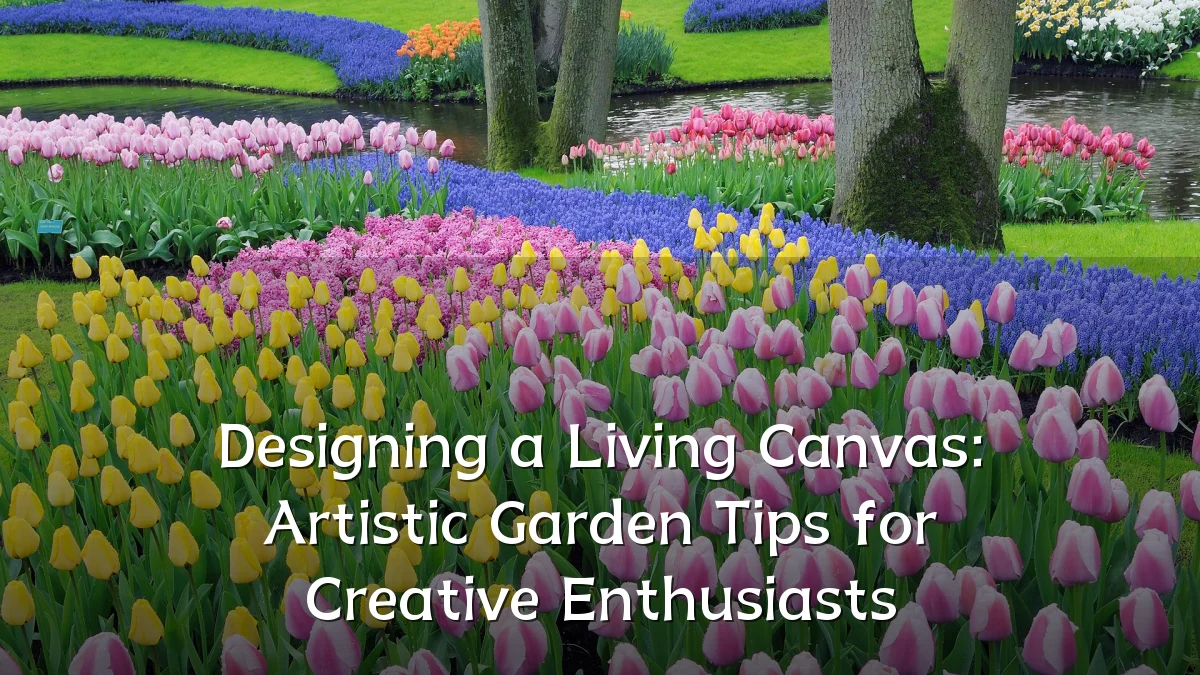
Over the past few seasons, a noticeable shift has emerged among home gardeners who view their outdoor spaces as extensions of personal creativity. Rather than aiming solely for bloom quantity or low maintenance, a growing segment of enthusiasts is treating the garden as a medium for artistic expression.

- Color theory is being applied deliberately—using complementary and analogous palettes across foliage, flowers, and hardscape.
- Sculptural plants (e.g., architectural grasses, topiary, succulents with striking forms) are gaining traction as living centerpieces.
- Mixed media elements—such as handmade tiles, repurposed metalwork, painted stones, or driftwood—are incorporated to create texture and focal points.
- Seasonal layering: planning for visual interest across months, not just peak bloom, using bark, seed heads, and evergreens.
Background
The concept of the garden as an art form is not new—historic examples from Monet’s Giverny to Japanese Zen gardens long treated horticulture as a canvas. However, recent decades saw a mainstream emphasis on efficiency and ease. What now distinguishes the “artistic garden for enthusiasts” approach is a deliberate return to personal narrative and experimentation. Many gardeners today are less concerned with botanical correctness and more interested in emotion, contrast, and surprise. This shift aligns with broader cultural movements toward maker culture and well-being through creative process.

User Concerns
Despite growing enthusiasm, the artistic garden path comes with practical questions that enthusiasts frequently raise.
- Maintenance vs. vision: Highly designed gardens can require more intervention. How does one keep an evolving artwork from becoming overgrown or chaotic? Clear maintenance routines and choosing resilient yet expressive plants are common strategies.
- Plant selection uncertainty: Not every region supports every artistic concept. Enthusiasts often need to adapt their palette to local climate and soil conditions—substituting colors and textures while preserving the intended aesthetic.
- Cost of unique materials: Specialty plants, artful hardscape, or custom containers can add up. Many solve this by mixing investment pieces with found objects or DIY projects.
- Creative blocks: Staring at a blank garden bed can be intimidating. Approaches like sketching, mood boards, or starting small (a single vignette) are common remedies.
Likely Impact
The rise of artistic garden design is expected to influence several areas over the next few years. Nurseries may diversify offerings toward unusual cultivars with strong structural or textural appeal. Community gardens and public parks could adopt more expressive, rotating designs. On a personal level, the emphasis on creativity may increase gardener satisfaction and mental health benefits, as the process becomes as important as the result. The trend also encourages slower, more intentional outdoor living—valuing the garden as a place for observation and reflection rather than pure utility.
What to Watch Next
As the artistic gardening movement matures, a few developments are worth monitoring.
- Technology integration: Smart lighting that changes color with the season, automated irrigation adapted to plant art schemes, and augmented reality apps for previewing plant arrangements before planting.
- Seasonal art shows: Gardeners may increasingly treat their spaces as rotating galleries—swapping out annuals, moving sculptures, or repainting pots with each season.
- Cross-disciplinary collaboration: More partnerships between local artists, landscape architects, and gardening clubs to create temporary or permanent installations in public and private spaces.
- Sustainability as a creative constraint: Using native plants, rain gardens, and reclaimed materials can become a defining feature rather than a limitation, inspiring new aesthetic directions.