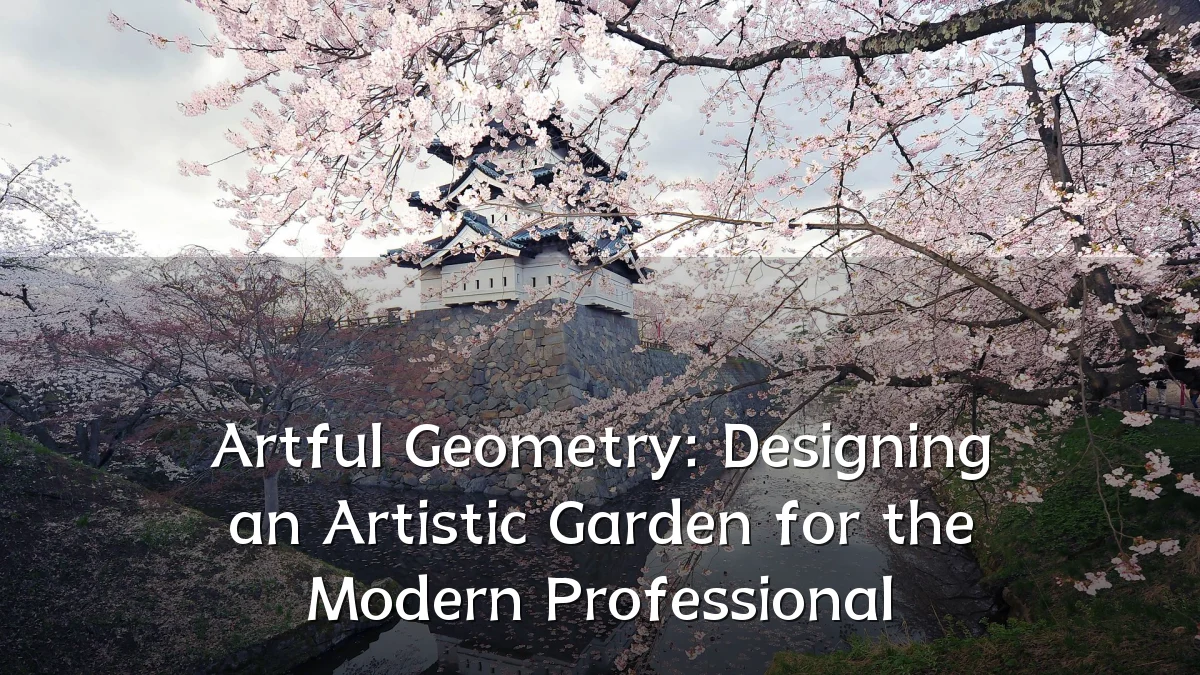
Artful Geometry: Designing an Artistic Garden for the Modern Professional
Recent Trends
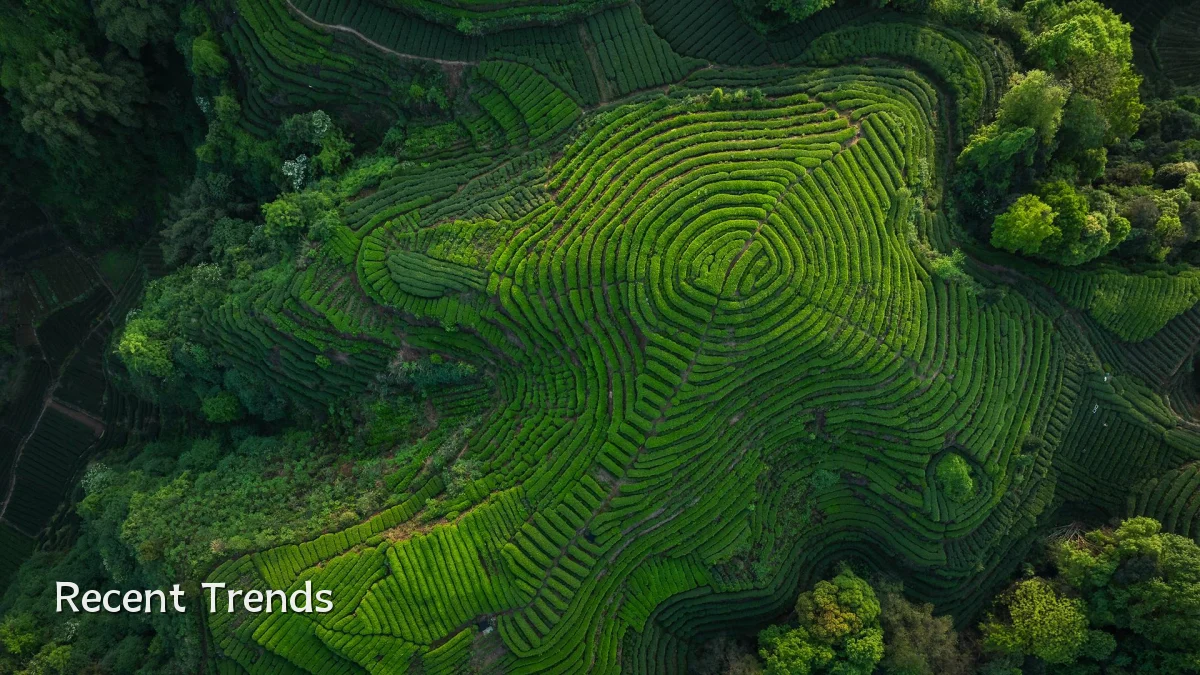
In recent seasons, landscape architecture has seen a shift toward integrating geometric forms with natural planting. This trend appeals particularly to professionals who view their outdoor space as an extension of their work environment — a place for both reflection and creative thinking. Modular paving, symmetrical hedging, and linear water features are becoming more common in residential and commercial gardens alike. Social media platforms showcase minimalist designs that blend art with utility, often emphasizing clean lines and low-maintenance materials.
Background
The concept of an "artistic garden" for professionals draws from 20th-century modernist landscape design, where architects such as Roberto Burle Marx used bold curves and structured plantings to create outdoor rooms. Today, the modern professional seeks a garden that balances aesthetics with practicality: a space that requires limited upkeep yet offers a sense of sanctuary. The geometric approach — using circles, rectangles, and repeated patterns — provides visual order without sacrificing artistic expression. This aligns with the need for stress reduction and increased productivity that many professionals report when connecting with nature.

User Concerns
- Maintenance vs. design: Complex geometric layouts may require precise pruning or hardscape cleaning. Professionals worry about time commitment.
- Cost: Custom stonework, water features, and shaped hedges can be expensive. Clients seek durable materials that justify investment.
- Flexibility: A highly structured garden may not adapt well to changing plant growth or future renovations. Users prefer designs that allow gradual evolution.
- Local climate: Suitability of geometric elements — for instance, boxwood in humid regions can suffer disease, necessitating alternative plants.
- Outdoor usability: Professionals need the garden to function for meetings or relaxation, not just visual appeal. Seating, shade, and connectivity to indoors matter.
Likely Impact
Adopting geometric, artful garden designs is likely to influence how professionals allocate time and resources to outdoor spaces. Early adopters report improved mental clarity and a stronger sense of personal brand when entertaining clients. The trend may also drive demand for hybrid landscape contractors who combine horticultural knowledge with design sense. Over time, smaller urban yards could see more precise, multi-functional layouts — turning previously unused patios or balconies into productive retreats. On the industry side, nurseries may see a rise in sales of sculptural plants and structural hardscape materials.
What to Watch Next
- Technology integration: Automated irrigation, lighting, and climate-controlled green walls could complement geometric gardens.
- Sustainable geometry: Use of native plants in geometric patterns to reduce water use while retaining form.
- DIY kits: Pre-designed modular planting systems for professionals who want to assemble their own artistic garden with minimal labor.
- Work-from-home landscaping: As remote work persists, gardens may evolve into outdoor offices with built-in geometric planters and work surfaces.
- Cultural variations: How different professional communities (e.g., tech, finance, healthcare) adapt geometric garden styles to their local environment and aesthetic preferences.