Plants That Transform Any Simple Garden Into an Artistic Retreat
Recent Trends: The Rise of the Artistic Garden
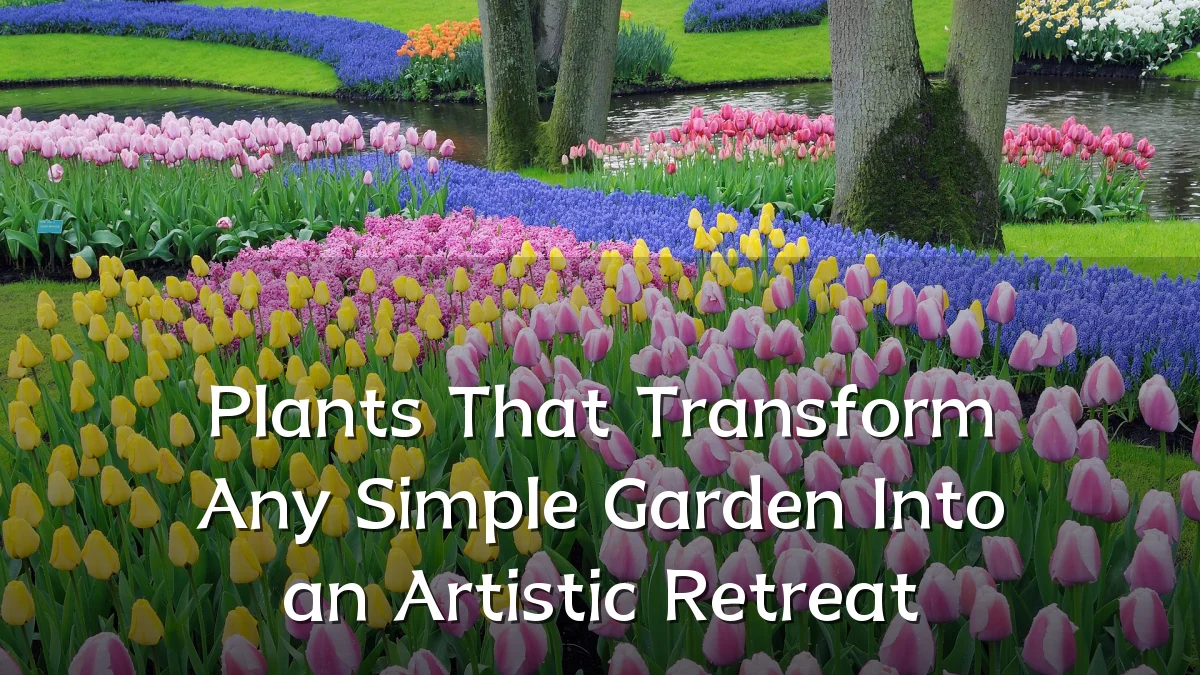
Over recent seasons, a shift has emerged from manicured, labour-intensive borders toward gardens that feel more like living installations. Homeowners and designers are increasingly selecting plants for their sculptural form, texture, and seasonal drama rather than solely for flower colour. This movement away from traditional bedding schemes toward naturalistic, painterly compositions aligns with broader interest in outdoor spaces as personal sanctuaries.

- Increased demand for structural plants — grasses, ferns, and architectural evergreens.
- Growing appreciation for foliage-first designs that maintain interest outside bloom periods.
- Rise of "wild gardening" styles where controlled randomness mimics natural landscapes.
Background: From Utility to Artistry
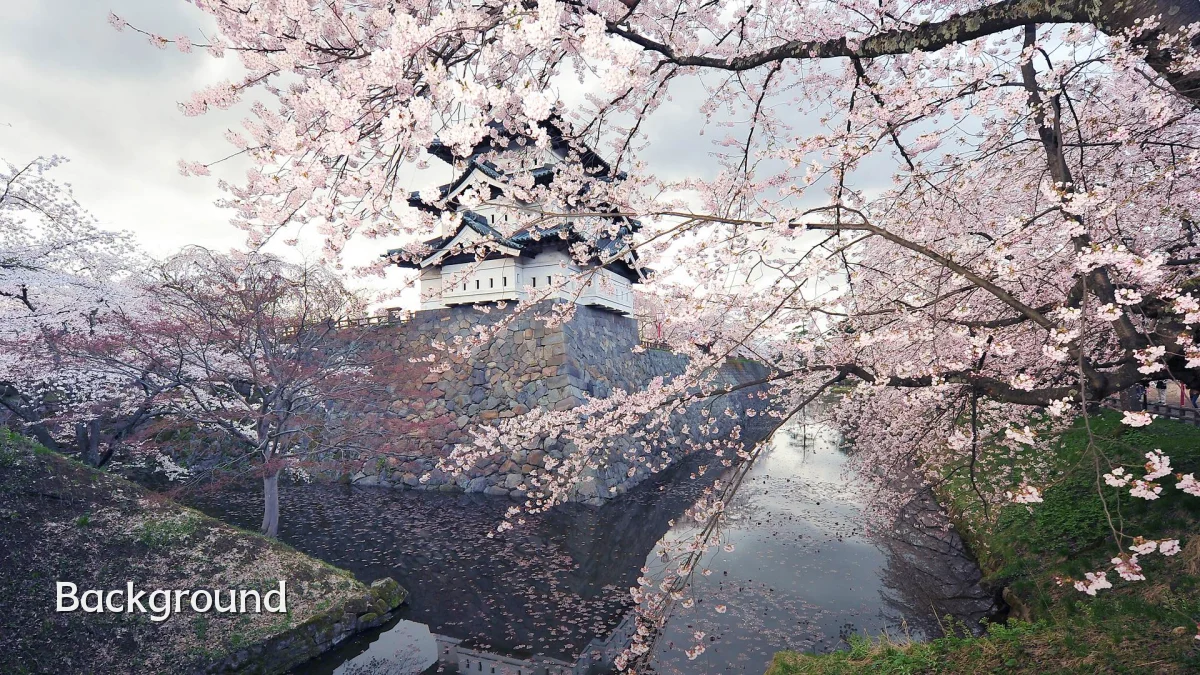
The concept of the garden as an artistic retreat is not new, but its accessibility has widened. Historically, formal parterres and ornate topiary defined the artistic garden for the wealthy. Today, the same visual impact can be achieved with a restrained palette of well-chosen perennials, shrubs, and grasses. Key influences include the New Perennial movement and Japanese garden principles, both of which emphasise harmony, contrast, and the beauty of imperfection.
“A simple garden becomes an artistic retreat when every plant earns its place — not by flower alone, but by silhouette, movement, and how it catches the light.”
User Concerns: Common Hurdles for Gardeners
Many homeowners worry that creating an artistic garden requires rare specimens, constant maintenance, or professional design help. Others hesitate due to limited space or concern that a "wild" look will appear unkempt. Practical concerns include selecting plants that thrive in local conditions without excessive watering or fertiliser, and achieving year-round structure rather than a single season of brilliance.
- Fear of high maintenance: artistic gardens often need less intervention, not more.
- Cost perception: many sculptural plants are perennials that spread and can be divided.
- Uncertainty about which plants combine well: contrast in leaf shape, height, and texture is key.
Likely Impact: What Homeowners Can Expect
When a simple garden is curated with artistic intent, the most noticeable shift is in how the space feels. Rather than a flat expanse of lawn and flowers, the garden gains depth, mystery, and year-round conversation. The impact on daily life can be significant — a calm place for morning coffee, a backdrop for gatherings, or simply a view that changes with the seasons. Biodiversity also benefits, as structural plants often provide better habitat for pollinators and birds.
- Extended seasonal interest: plants chosen for form last through winter frosts and summer heat.
- Reduced ongoing labour: many artistic plantings require less deadheading and watering than traditional borders.
- Increased property appeal: a distinctive garden can raise both enjoyment and market value.
What to Watch Next: Evolving Plant Choices and Design Logic
Watch for continued crossover between interiors and gardens, with indoor plants like certain philodendrons and monsteras appearing in sheltered outdoor beds in warm climates. The use of warm-season grasses and low-growing sedges in place of lawn will likely accelerate. Additionally, look for more gardeners to embrace "slow gardening" — allowing plants to naturalise and self-seed for an evolving, painterly effect. The next phase will also likely involve climate-adapted selections: plants that give strong artistic impact with minimal inputs, further democratising the artistic retreat for any simple garden.