How to Create an Artistic Garden as a Beginner: A Step-by-Step Guide
Recent Trends
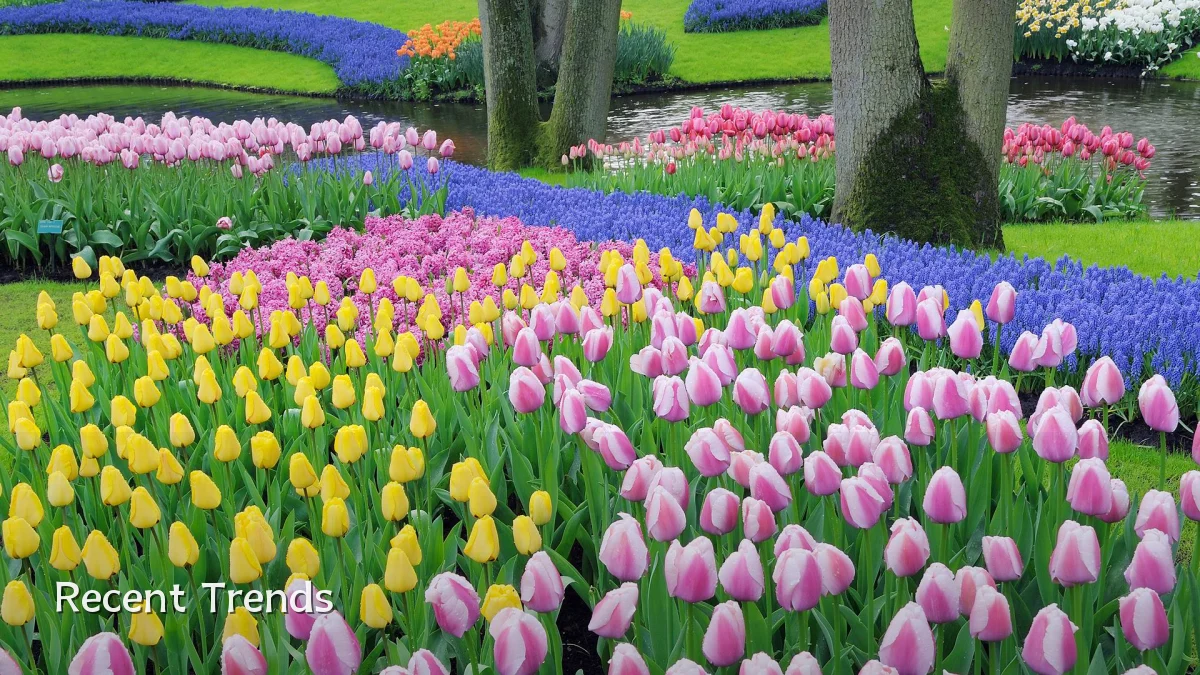
Interest in home gardening has surged over the past few seasons, with many beginners seeking more than just vegetable patches. The concept of an "artistic garden" — where aesthetics, color theory, and sculptural elements take precedence — has gained traction on social platforms and in community programs. Landscape designers report a notable uptick in questions from novices who want to combine low-maintenance plants with deliberate visual composition.
- Increased availability of starter kits for container gardens that emphasize form and texture.
- Rise of online tutorials focusing on "painting with plants" rather than traditional bedding layouts.
- Growing demand for drought-tolerant and native species that also offer seasonal artistic interest.
Background
The artistic garden approach blends horticulture with visual design principles — balance, focal points, repetition, and contrast. For beginners, the challenge lies in translating these concepts into a tangible outdoor space without overwhelming effort or expense. Historically, garden art was associated with large estates or experienced designers, but recent shifts emphasize accessibility: a small balcony or front yard can host an artistic arrangement using a few key plants, containers, and hardscape items such as pebbles, reclaimed wood, or simple metal shapes.
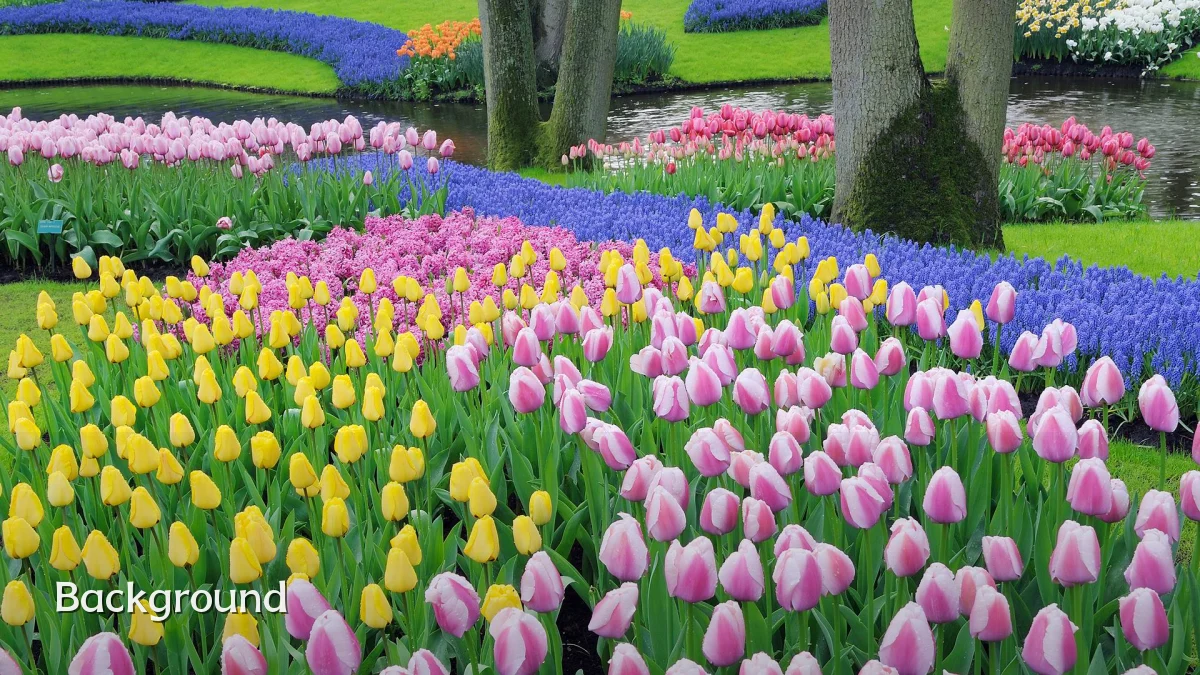
Foundational steps often include evaluating light conditions, choosing a cohesive color palette (e.g., analogous or complementary hues), and incorporating at least one vertical or structural element to draw the eye. Step-by-step guides now stress starting with no more than five plant species to avoid visual clutter while learning spacing and growth habits.
User Concerns
Beginners frequently worry about cost, time commitment, and the risk of failure. Many assume that an artistic garden requires expensive sculptures or high-maintenance perennials. In reality, a few well-chosen annuals, a single ornamental grass, and a rustic trellis can achieve an intentional look. Other common concerns include:
- Overgrooming — fearing that artistic arrangements will look untidy if not pruned constantly.
- Scale — not knowing how to match plant sizes with container or bed dimensions.
- Seasonality — worrying that the garden will look bare in winter or early spring.
- Budget creep — spending too much on decorative pots or specialty plants before establishing basic composition.
Likely Impact
If adopted broadly, the step-by-step artistic garden approach could reduce the intimidation factor that discourages many newcomers. It shifts the focus from "growing everything" to "curating a living picture," which can lead to higher success rates and longer-term interest. Local nurseries and online retailers may adjust their product bundles to include design-themed starter kits with pre-selected color schemes. Community gardens might also see a blend of edible and ornamental zones, as artistic principles can apply to both.
On the environmental side, a move toward artistic gardening often encourages intentional plant selection — favoring perennials over short-lived annuals, and native species that attract pollinators. This can improve local biodiversity even in small urban plots.
What to Watch Next
- Education formats: Expect more virtual workshops or mobile apps that let beginners preview garden layouts before buying plants.
- Material innovations: Lightweight, frost-resistant containers and modular trellis systems designed for easy rearrangement.
- Community sharing: Neighborhood plant swaps that emphasize colors and shapes rather than just plant species.
- Seasonal extension: Guidance on maintaining artistic interest in cooler months using dried seed heads, bark textures, and evergreen structure.