How Expert Gardeners Blend Fine Art with Landscape Design
Recent Trends
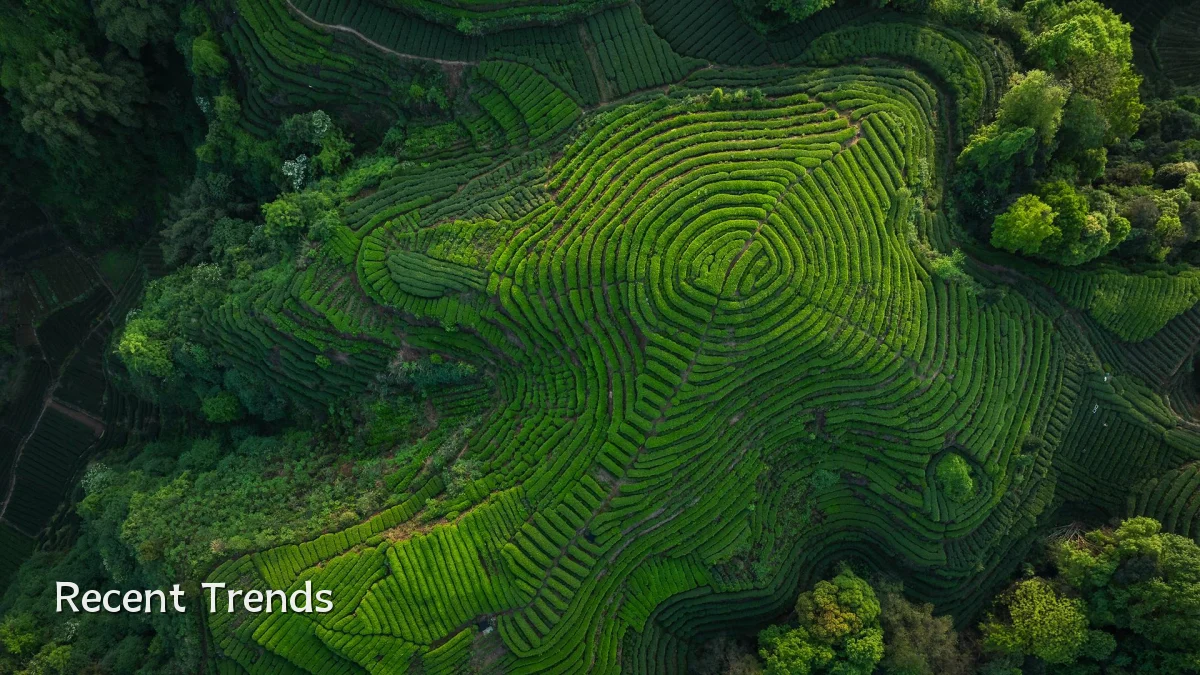
In recent years, a growing number of landscape professionals have adopted methods that treat outdoor spaces as living canvases. This approach moves beyond simply arranging plants toward composing with color, texture, form, and movement. Observers note an increase in gardens designed around artistic principles such as focal points, negative space, and rhythm.
- Use of sculptural plants and hardscape elements as permanent installations.
- Seasonal color palettes planned like painterly transitions.
- Integration of site-specific art pieces — from steel sculptures to moss murals.
- Collaboration between horticulturists and installation artists for temporary exhibits.
Background
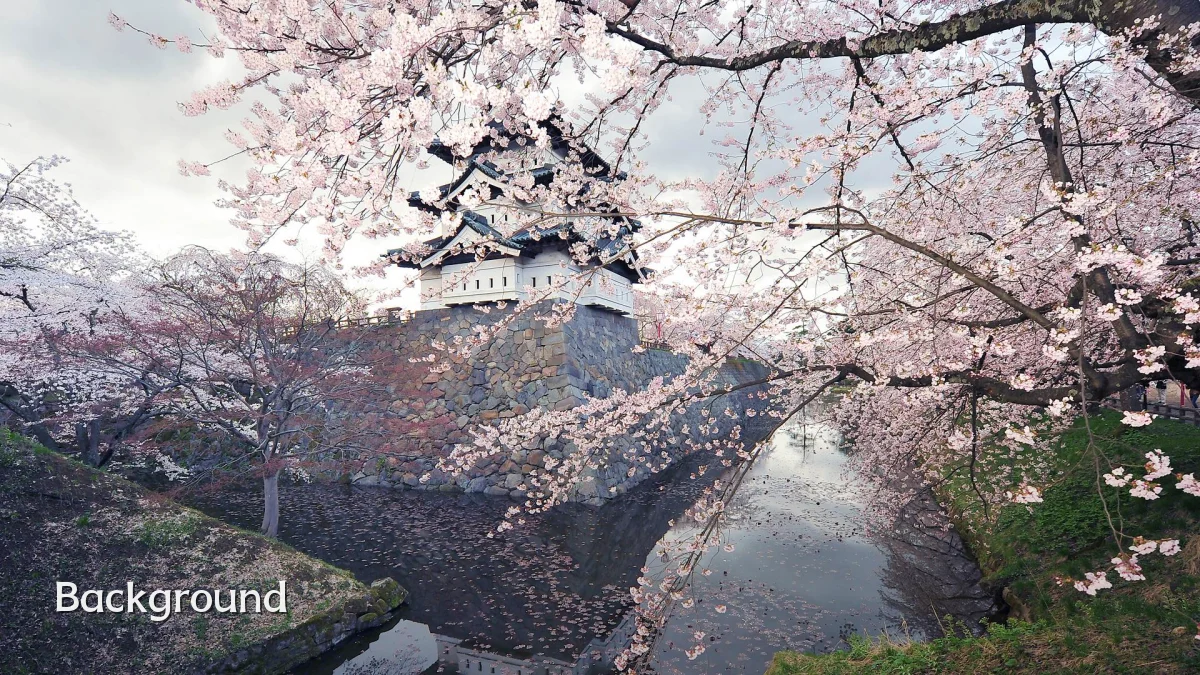
The idea of the garden as art is not new. Formal French and Italian gardens of the 17th century used symmetry, water features, and hedging to create controlled vistas. Japanese rock gardens turned meditation into composition. What distinguishes today’s expert artistic garden is a deliberate effort to merge fine art sensibilities with ecological function, making sustainability part of the aesthetic rather than an afterthought.
Many contemporary practitioners draw from the Land Art movement of the 1960s and 70s, where natural materials became the medium, and from modernist sculpture’s focus on simplicity and spatial relationships.
User Concerns
Homeowners and public-space managers considering an artistic garden often weigh several practical factors. The following points are commonly discussed during initial consultations:
- Maintenance needs: Artistic features — especially living elements — may require more frequent pruning, weeding, or seasonal replanting to keep the intended visual effect.
- Budget range: Costs can vary widely based on materials, plant selection, and the involvement of specialist artisans. Preliminary planning with rough estimates is typical before committing to a full design.
- Longevity of design: Gardens evolve. Clients often ask how a composition will look in three or five years, and what adjustments might be needed as plants mature or die.
- Climate and site constraints: Artistic plantings must be suited to local conditions — soil, light, and water availability — or the intended composition may not hold.
Likely Impact
When executed well, a fine-art garden can transform the user experience of a property. Potential outcomes include:
- Enhanced property differentiation, especially in residential or commercial developments seeking a distinctive identity.
- Increased time spent outdoors, as gardens become spaces for contemplation or discovery rather than mere decoration.
- Stronger connection to local ecology, because artistic designs often highlight native flora and natural cycles.
- Greater demand for specialized landscape professionals who combine horticultural knowledge with art training.
What to Watch Next
Several emerging directions may shape how expert gardeners blend art and design in the near future:
- Digital augmentation: Augmented reality applications that allow visitors to view the garden as a changing art piece, with seasonal overlays or narrative layers.
- Climate-adaptive living compositions: Design strategies that use drought-tolerant, heat-resilient plants to create stable artistic forms — ensuring the garden remains a work of art even under stress.
- Pollinator-focused art installations: Gardens that double as habitat sculptures — for example, flowering patterns that attract specific insects while maintaining a designed visual rhythm.
- Larger collaborative commissions: Public art projects that pair landscape architects with painters, sculptors, and ecologists from the outset, blurring traditional project roles.