How to Create a Practical Artistic Garden That Blends Beauty and Function
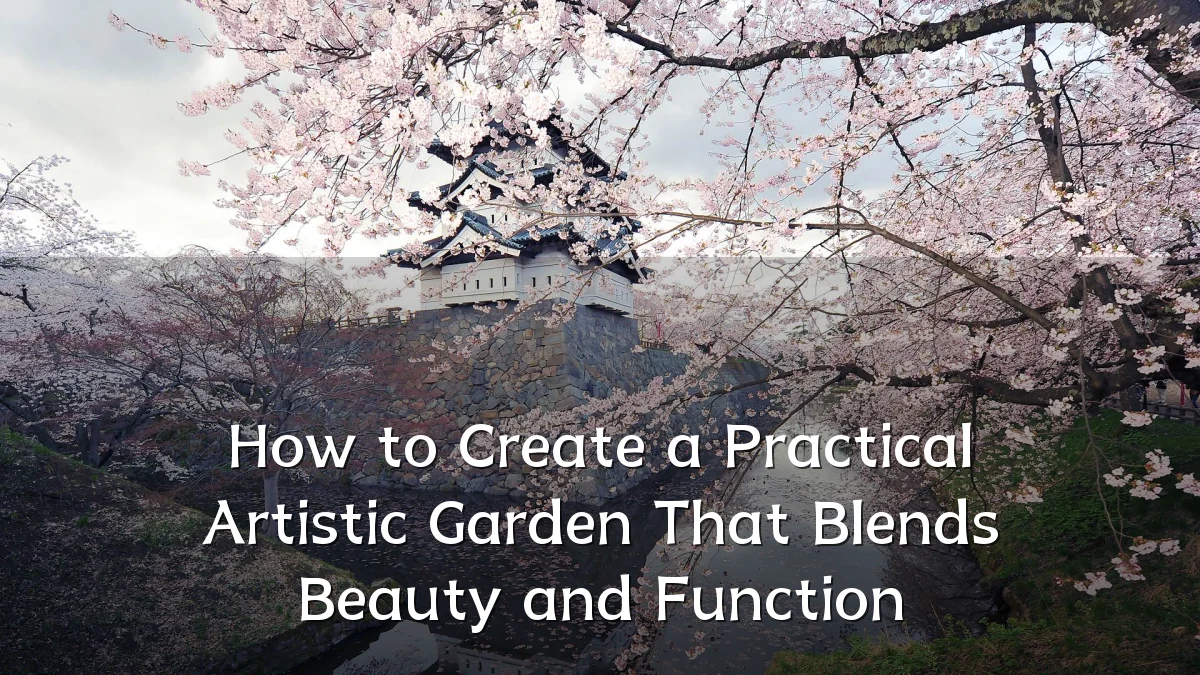
Recent Trends in Multifunctional Garden Design
Over recent seasons, a growing number of homeowners and landscape designers have shifted away from strictly ornamental gardens toward integrated living spaces. The demand for "practical artistic gardens" reflects a desire to enjoy beauty without sacrificing utility. Key developments include:

- Edible ornamentals — Varieties of kale, chard, and fruit shrubs are planted alongside flowers for both visual texture and harvest.
- Flexible hardscaping — Permeable pavers and modular seating areas allow gardens to shift from a quiet retreat to an entertainment zone with minimal effort.
- Vertical growing systems — Green walls and trellises double as living art and space-saving solutions for herbs or climbing vegetables.
- Native-plant palettes — Regional species are chosen for seasonal color, pollinator support, and lower water demands, merging ecological function with aesthetic structure.
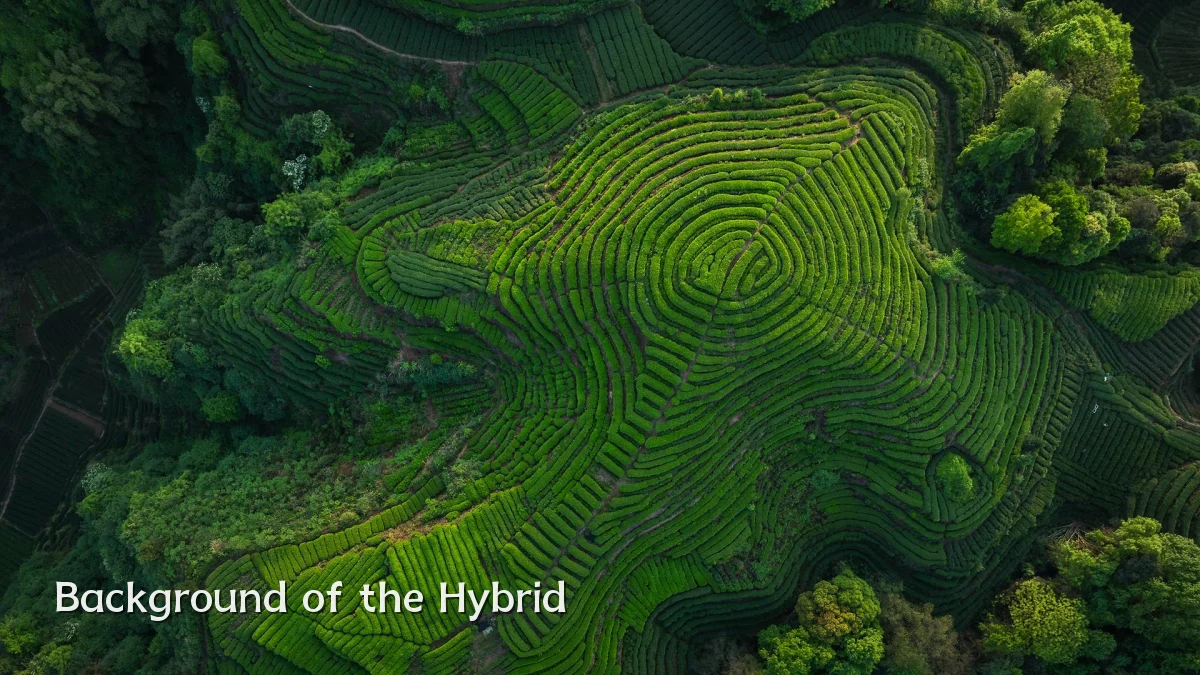
Background of the Hybrid Garden Approach
The concept of a garden that is both artistic and practical is not entirely new, but it has gained traction as urban spaces shrink and environmental awareness rises. Traditional formal gardens often emphasized symmetry and rare specimens, while vegetable gardens were tucked out of sight. The current trend blurs these boundaries:
- Historical kitchen gardens frequently combined medicinal herbs and flowers, but modern zoning separated lawn, flower bed, and vegetable patch.
- Rising interest in self-sufficiency and climate resilience has revived integrated planting, but with an emphasis on intentional design.
- Newer materials, such as corten steel planters and outdoor-rated textiles, allow sculptural elements that also serve as raised beds or storage.
Common User Concerns and Decision Points
Those planning a practical artistic garden often encounter a set of recurring challenges. Addressing these early improves long-term satisfaction:
- Maintenance balance — High-art features (topiary, intricate mosaics) may require frequent care; low-maintenance alternatives (driftwood sculptures, ornamental grasses) provide visual interest with less labor.
- Space trade-offs — In smaller lots, every planting should serve at least two purposes: a fruit tree offers shade and harvest, a herb border acts as a fragrant ground cover.
- Seasonal continuity — Choose a mix of evergreens, late-blooming perennials, and winter-interest stems to avoid long gaps in function or beauty.
- Cost versus longevity — Invest in durable hardscaping (stone paths, steel edging) while using annuals or fast-growing perennials for flexible color accents that can be changed each season.
Likely Impact on Gardens and Communities
As more gardeners adopt a blend of art and utility, several broader effects are emerging:
- Reduced resource waste — Dual-purpose plantings and efficient layouts mean less water, fertilizer, and time spent on areas that are purely decorative.
- Increased biodiversity — Edible flowers and native pollinator plants support local insects and birds while creating layered visual interest.
- Higher property engagement — Gardens that feel both beautiful and useful encourage more regular use, from casual meals to active cultivation, improving well-being and property value.
- Community exchange — Artistic edible gardens often become conversation starters, leading to seed swaps and shared harvesting among neighbors.
What to Watch Next in Practical Artistic Design
Several emerging directions may shape how gardeners blend beauty and function in upcoming seasons:
- Smart irrigation integrated into art — Rain chains, decorative cisterns, and moisture-sensing sculptures that double as water delivery systems.
- Modular raised-bed systems — Interlocking geometric shapes that can be reconfigured as garden needs change, from a planting bed to a low bench.
- Living furnishings — Moss walls, sedum roofs on seating, and willow branch furniture that grows and is pruned into shape over several years.
- Digital planning tools — Garden design apps that allow users to visualize a combined ornamental and productive layout before planting, reducing costly trial and error.
Focus on plants and structures that serve at least two purposes, and let each element earn its place in the garden through both form and function.