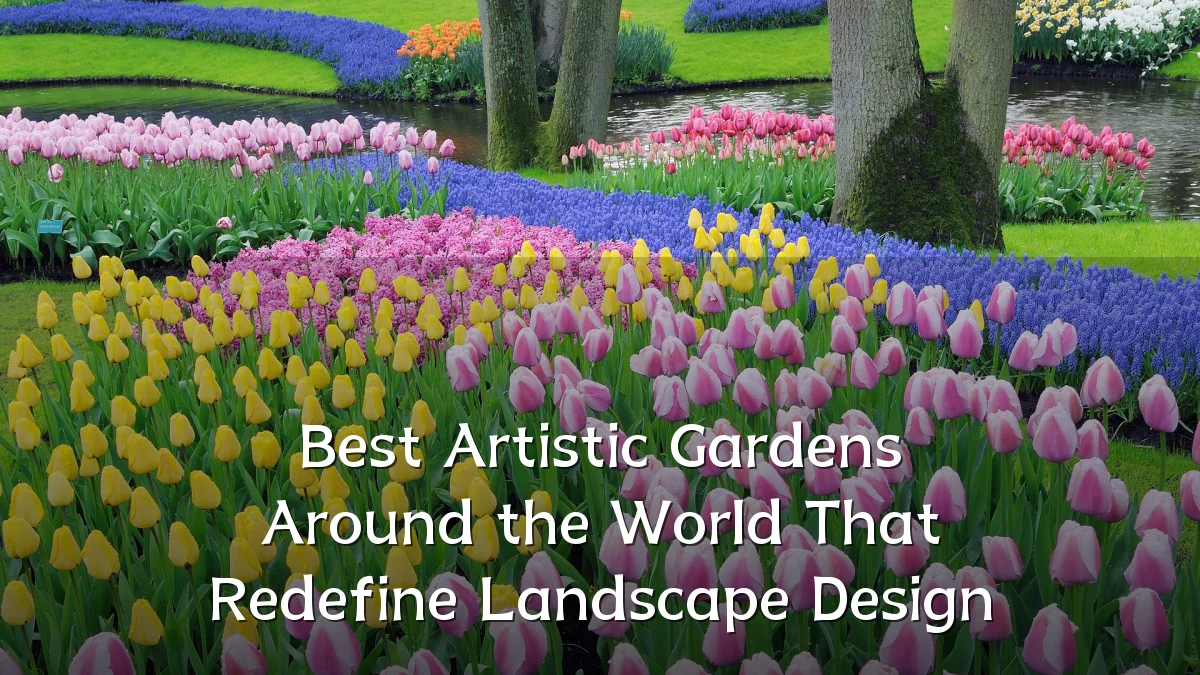
Best Artistic Gardens Around the World That Redefine Landscape Design
Recent Trends in Artistic Garden Design
A growing number of landscape architects and artists are shifting from purely ornamental plantings toward interventions that prioritize storytelling, sustainability, and sensory engagement. These gardens function as living installations, often incorporating sculpture, water features, and native plant palettes to create immersive experiences.
- Integration of contemporary sculpture – permanent or rotating works by living artists are placed within natural topography, blurring the line between gallery and garden.
- Regenerative plantings – designers choose drought‑tolerant or endemic species that reduce water use while still providing year‑round color and texture.
- Multi‑sensory pathways – sound, scent, and tactile elements (rustling grasses, fragrant herbs, textured bark) are deliberately sequenced to guide visitor experience.
- Ephemeral installations – temporary works made from natural materials that change with the seasons, often deconstructed and composted on‑site.
Background: From Formal Parterres to Living Art
The concept of the garden as an artistic medium is centuries old, but its modern resurgence began in the late 20th century as landscape architects sought to break free from rigid symmetry and monoculture. Early examples blended modernist architecture with sweeping lawns; today’s artistic gardens often prioritize ecological function as much as aesthetics. Notable influences include the Japanese Zen garden tradition, the land art movement of the 1970s, and the rise of “garden as venue” for cultural festivals. These gardens are now found not only in private estates but also in public parks, museum grounds, and reclaimed industrial sites.
User Concerns When Visiting or Creating Artistic Gardens
Gardeners, travelers, and property owners face several practical considerations when engaging with these spaces:
- Maintenance complexity – artistic gardens can require specialized pruning, irrigation, and seasonal replanting, especially if they incorporate rare or non‑native species. For public gardens, ongoing funding for upkeep is a common issue.
- Accessibility vs. artistic intent – some designs rely on uneven terrain, narrow paths, or water features that may be difficult for visitors with mobility challenges. Planners increasingly consult with accessibility experts to balance vision with inclusion.
- Cost and scalability – commissioning original sculptures or large‑scale earthworks can be expensive. Home gardeners often adapt concepts by focusing on a single art‑powered feature, such as a sculptural trellis or a color‑themed plant bed.
- Climate and site constraints – a design that thrives in a temperate, rainy climate may fail in an arid or tropical region. Local microclimates and soil conditions strongly influence plant selection and long‑term viability.
Likely Impact on Landscape Design and Local Economies
The rise of artistic gardens is reshaping how both professionals and amateurs approach outdoor spaces:
- Influence on residential landscaping – homeowners are increasingly commissioning custom garden art (metal screens, carved stone, living walls) rather than relying solely on standard planting schemes.
- Tourism and cultural programming – gardens that host temporary exhibitions or live performances can attract regional and international visitors, boosting nearby hospitality and retail businesses.
- Educational value – schools and universities use artistic gardens as outdoor classrooms for ecology, art history, and design disciplines, supporting interdisciplinary learning.
- Environmental stewardship – gardens that highlight native habitats and pollinator‑friendly species foster public awareness about biodiversity, even within highly curated settings.
What to Watch Next in the Artistic Garden Scene
Several emerging movements are likely to gain momentum over the next few years:
- Climate‑adaptive art gardens – installations designed to withstand extreme weather events, such as floating gardens in flood‑prone areas or fire‑resistant sculpture parks in dry regions.
- Digital and interactive elements – augmented‑reality trails that overlay digital art onto physical plants, or sensor‑triggered lighting that responds to visitor movement.
- Community‑co‑created spaces – neighborhoods partnering with artists and landscape architects to transform vacant lots into democratic, ever‑changing gardens that reflect local culture.
- Living bio‑art – gardens that use living organisms (moss, lichen, mycelium) as the primary medium, blurring boundaries between biology, art, and horticulture.
As these trends develop, the definition of “artistic garden” will continue to expand, offering new ways for people to connect with nature, creativity, and each other.