Stunning Modern Garden Designs Reviewed for 2025
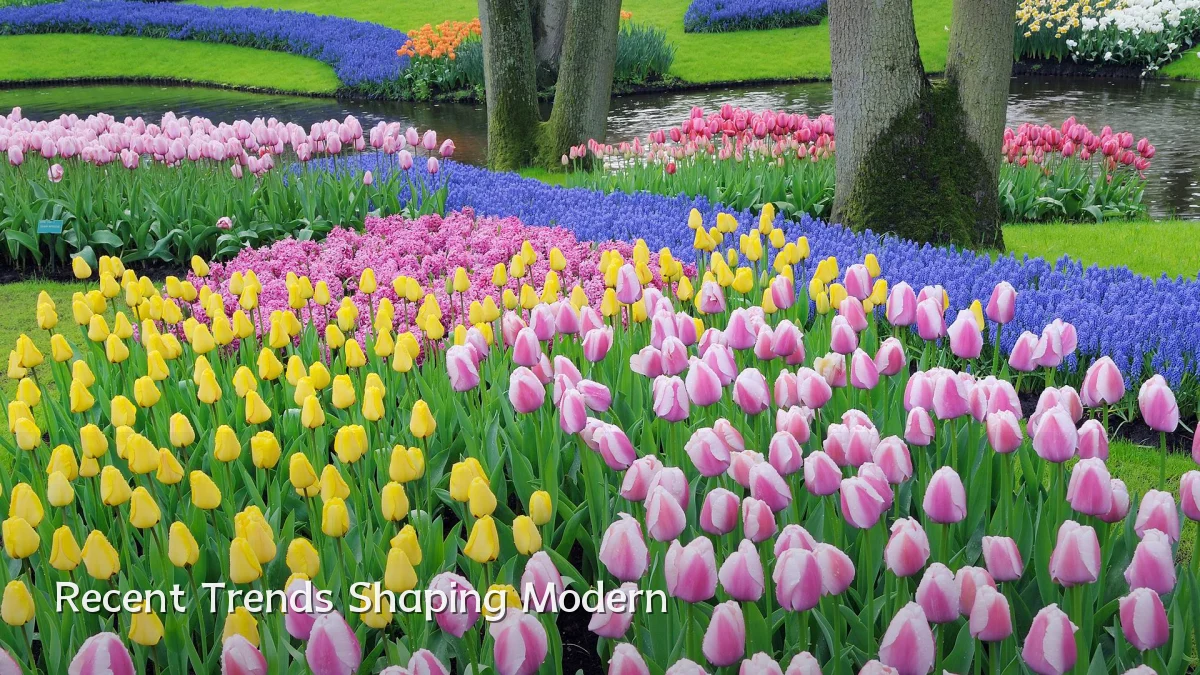
Recent Trends Shaping Modern Garden Design
As we move into 2025, the most striking modern garden designs reflect a shift toward multifunctional outdoor living. Key trends include:
- Biophilic layouts that incorporate native planting and organic shapes to improve local biodiversity.
- Hardscaping with permeable materials such as gravel grids and porous pavers to manage stormwater runoff.
- Integrated smart systems for irrigation and lighting, often controlled via a single app.
- Edible landscaping where fruit trees and vegetable beds are woven into ornamental borders.
These elements appear repeatedly in recent reviews from landscape architecture firms and design publications, suggesting a coherent direction rather than a fleeting style.
Background: How Modern Garden Design Evolved
Modernist garden principles—clean lines, minimal ornament, and a strong connection between indoor and outdoor spaces—emerged in the mid‑20th century. Over the past decade, however, the emphasis has moved from pure aesthetics to resilience and ecological function. The 2025 reviews show that designers now routinely balance sculptural form with climate‑appropriate plant palettes and reduced water use.

This evolution has been accelerated by changing homeowner priorities: a garden is no longer just a backdrop but an extension of living space for dining, working, and recreation.
Common User Concerns Highlighted by Reviews
Analysis of collected reviews points to several recurring worries among homeowners and property developers:
- Maintenance commitment – Many modern designs require regular pruning and irrigation adjustments, which can be overlooked after the first season.
- Upfront cost versus long‑term value – High‑quality materials (e.g., natural stone, drought‑resistant perennials) have a higher initial price but lower replacement frequency.
- Adaptability to local climate – A design praised in one region might fail in another if it ignores microclimate factors like wind exposure or soil drainage.
- Integration with existing architecture – A mismatch between a home’s style and a very contemporary garden can reduce visual harmony.
These points consistently appear in reader feedback sections and designer commentaries in 2025 reviews.
Likely Impact on Homeowners and the Industry
The review consensus indicates that modern gardens, when well‑executed, can increase a property’s usable area and resale appeal by a noticeable margin—particularly in urban settings where outdoor space is limited. For the landscaping industry, the demand for specialized consultants who understand both ecology and design is expected to grow. Meanwhile, product manufacturers are responding with more modular hardscaping and simplified smart‑control kits.
One likely outcome is that mid‑range projects will adopt a hybrid approach: borrowing key modern elements (such as geometric water features or corten steel planters) while keeping overall maintenance within manageable bounds.
What to Watch Next
Looking ahead, several developments are poised to influence future reviews:
- Regulatory shifts – More municipalities may require rainwater retention and native planting in new garden designs.
- Material innovation – Recycled composite decking and carbon‑sequestering concrete alternatives are being tested in prototype gardens.
- AI‑assisted planning – A growing number of firms use generative design software to propose layouts based on sun path, wind, and budget constraints.
- Community‑shared gardens – Multi‑family projects increasingly adopt shared modern courtyard designs, which are starting to appear in published case studies.
These factors will likely shape the criteria used in garden design reviews for the next several year cycles, making 2025 a pivotal reference point in the evolution of the field.