The Art of Plant Pairing: Combining Color, Texture, and Form in Garden Design
Recent Trends in Plant Pairing
Over the past several growing seasons, gardeners and landscape professionals have shifted toward intentional, art-inspired plant combinations. Rather than relying on monoculture beds or random assortments, designers now treat each planting as a composition. Key trends include:

- Layer-matching foliage textures—pairing fine-leaved grasses with broad hostas or ferns.
- Using color-blocking inspired by painting palettes (analogous for harmony, complementary for contrast).
- Incorporating dramatic structural forms—spires, globes, and mounds—to create year-round interest.
- Selecting plants that bloom at staggered intervals to maintain continuous visual rhythm.
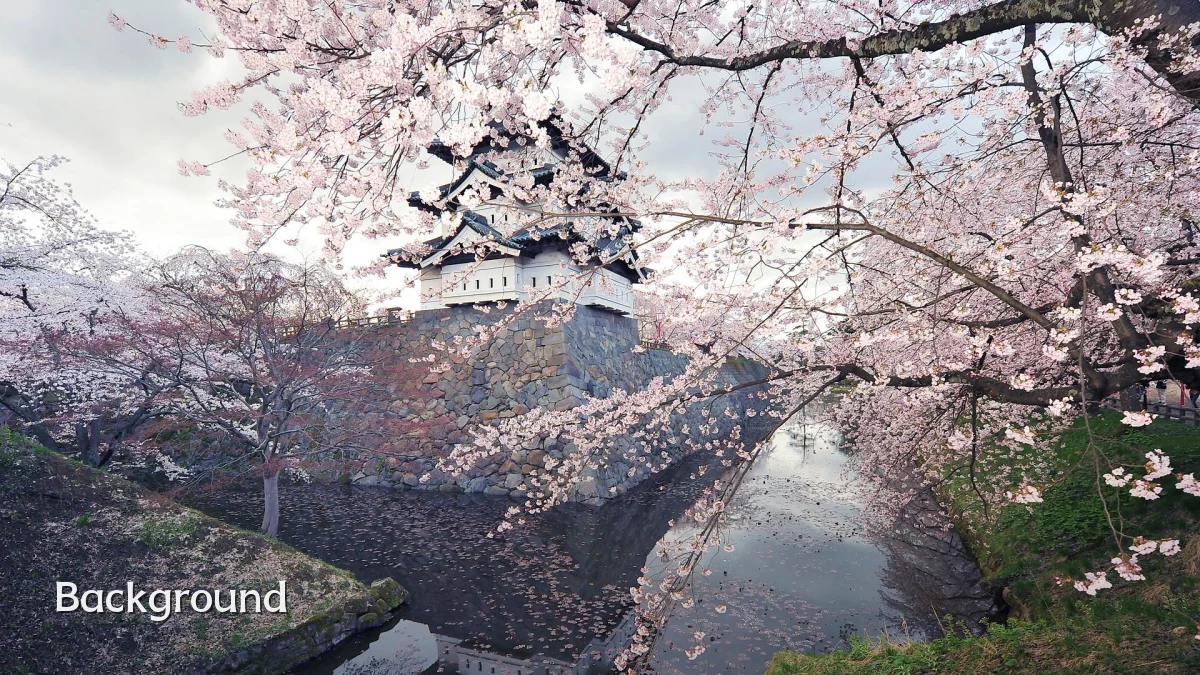
Background: The Foundations of Pairing
The practice of pairing plants for aesthetic effect draws on principles from fine arts and ecology. In formal garden design, color theory (e.g., the color wheel) helps select flowers and foliage that either soothe or energize a space. Texture—the surface quality of leaves, bark, or petals—adds depth. Form refers to the overall shape of a plant (upright, cascading, rounded) and how it interacts with neighbors. Historically, English cottage gardens, Japanese Zen gardens, and modernist landscapes each emphasized different aspects of these elements. Today’s approach combines them in a more deliberate, user-friendly way.
User Concerns: Practical Challenges in Pairing
Home gardeners and even experienced designers often struggle with consistent results. Common concerns include:
- Light and moisture mismatches: A shade-loving texture plant paired with a sun-requiring bloom may fail.
- Growth habit conflicts: Aggressive spreaders can overtake delicate neighbors if not spaced correctly.
- Seasonal gaps: Early spring combinations may leave bare patches by mid-summer without careful sequencing.
- Maintenance burden: High-contrast pairings often require more deadheading, pruning, or watering than simpler designs.
“Pairing for visual impact should never override the plant’s biological needs. A stunning combination that both plants cannot tolerate will disappoint within weeks.” — typical advice from cooperative extension services.
Likely Impact on Garden Design Practice
As interest in artistic horticulture grows, expect several shifts in how gardens are planned and evaluated:
- Increased use of pre-tested “recipe” combinations from botanical gardens and trial beds.
- Greater reliance on native plants that naturally complement each other’s textures and forms, reducing maintenance.
- Rise of digital tools and apps that simulate color/texture pairings before planting.
- More emphasis on multi-season design, where pairing decisions factor in seed heads, bark, and winter silhouettes.
- Potential movement toward “living art” certification programs that blend horticulture with aesthetic criteria.
What to Watch Next
Keep an eye on several developments that may influence how plant pairing evolves:
- Expansion of public plant pairing trials at arboreta and universities, publishing outcomes accessible to home gardeners.
- Adoption of sustainable pairings—drought-tolerant combinators that still deliver visual contrast.
- Integration of vertical element pairing (e.g., climbing vines with upright shrubs) in small-space urban gardens.
- Possible emergence of professional “garden colorists” who specialize solely in planting composition.
- Growth of online communities that share before-and-after portraits of specific pairing experiments.